
Buttercrisp
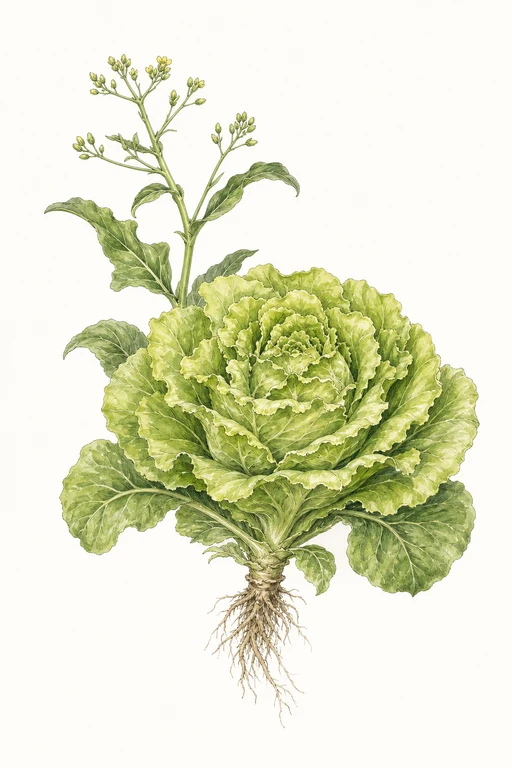
Buttery, crisp leaves unfurl in a softly cupped head that feels as luxurious as it looks—tender, pale-green folds with a clean, refreshing bite.
Buttercrisp’s butterhead form matures in about 60 days, building a compact rosette of velvety texture that stays pleasantly crisp for days. Ideal for fresh salads and elegant platters, it also shines in light, spoonable sauces where its gentle flavor and supple leaves lend a refined finish.
Light: Part SunMaturity: 60 DaysHabit: Rosette
Location not set yet
Location not set yet
Enter your ZIP for local crop dates
Buttercrisp Planting Dates by USDA Zone
Estimated US hardiness-zone windows for sow, transplant, and harvest. Enter a US ZIP above for exact local dates, or open a zone below.
| Zone | Start Indoors | Sow / Transplant | Harvest |
|---|---|---|---|
| Zone 1a | Protected Environment Only | ||
| Zone 1b | May 4th | May 25th | Jul 24th – Aug 1st |
| Zone 2a | Apr 27th | May 18th | Jul 17th – Aug 29th |
| Zone 2b | Apr 17th | May 8th | Jul 7th – Aug 25th |
| Zone 3a | Apr 17th | May 8th | Jul 7th – Sep 1st |
| Zone 3b | Apr 21st | May 12th | Jul 11th – Sep 21st |
| Zone 4a | Apr 17th | May 8th | Jul 7th – Sep 24th |
| Zone 4b | Apr 15th | May 6th | Jul 5th – Sep 27th |
| Zone 5a | Apr 10th | May 1st | Jun 30th – Sep 30th |
| Zone 5b | Apr 6th | Apr 27th | Jun 26th – Oct 5th |
| Zone 6a | Apr 3rd | Apr 24th | Jun 23rd – Oct 10th |
| Zone 6b | Mar 28th | Apr 18th | Jun 17th – Oct 16th |
| Zone 7a | Mar 23rd | Apr 13th | Jun 12th – Oct 20th |
| Zone 7b | Mar 13th | Apr 3rd | Jun 2nd – Oct 28th |
| Zone 8a | Mar 4th | Mar 25th | May 24th – Nov 5th |
| Zone 8b | Feb 23rd | Mar 16th | May 15th – Nov 12th |
| Zone 9a | Feb 6th | Feb 27th | Apr 28th – Nov 26th |
| Zone 9b | Jan 12th | Feb 2nd | Apr 3rd – Dec 9th |
| Zone 10a | — | Oct 1st | Nov 30th – Feb 28th |
| Zone 10b | — | Oct 1st | Nov 30th – Feb 28th |
| Zone 11a | — | Oct 1st | Nov 30th – Feb 28th |
| Zone 11b | — | Oct 1st | Nov 30th – Feb 28th |
| Zone 12a | — | Oct 1st | Nov 30th – Feb 28th |
| Zone 12b | — | Oct 1st | Nov 30th – Feb 28th |
| Zone 13a | — | Oct 1st | Nov 30th – Feb 28th |
| Zone 13b | — | Oct 1st | Nov 30th – Feb 28th |
Crop Details
| Trait | Value |
|---|---|
| Days to Maturity | 60 |
| Sun Requirements | Part Sun |
| Growth Habit | Rosette |
| Support Needed | None |
| Planting Depth | Normal |
| Germination Temp (°F) | 60 |
| Min Soil Temp (°F) | 40 |
| Min Night Temp (°F) | 35 |
| Harden Off (days) | 6 |
Culinary Notes

Chef's Note
Buttercrisp’s butterhead leaves give you that rare combo: tender folds with a real bite, so they don’t collapse into dressing puddles. Keep it bright with lemon/vinaigrette and pair it with creamy or salty proteins—this variety behaves like a palate-cleanser with a luxurious mouthfeel.

Best Uses
- cold salads where the leaves stay crisp (wedge-style platters and composed bowls)
- light vinaigrettes that cling without overdressing (sherry vinaigrette, lemony olive oil)
- chiffonade into warm-but-gentle sautés to keep texture
- a spoonable base for quick creamy sauces where the leaves soften without turning watery

Flavor Profile

Kitchen Pairings
Frequently Asked Questions
What pest or disease commonly affects Lactuca sativa (buttercrisp) and how do I stop it?
How often should I water buttercrisp lettuce during the main growing phase?
How can I tell when buttercrisp (Lactuca sativa) is ready to harvest?
Sowing Tips

Transplant Conditions
Wait until soil reaches 40°F and nights stay above 35°F before moving outdoors. Harden off for 6 days first.
Expert Note

For slow-bolting butterhead types like Buttercrisp, aim for cool weather and shade/consistent moisture during warming spells to keep leaves tender.