
Butterfly Flower Mix
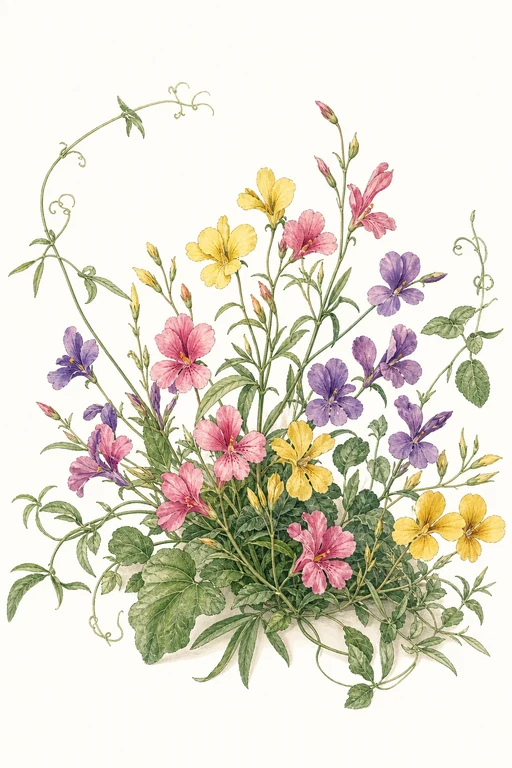
A riot of fluttering color—petals that seem to catch the light like stained glass—makes Butterfly Flower Mix a joy to watch from first bud to full, midseason bloom.
Expect a lively tapestry of nectar-rich flowers with varied heights and forms, creating a soft, airy texture that moves with the breeze and invites pollinators to linger. Ideal for establishing a long-blooming pollinator patch, this mix brings enduring color and natural charm to beds, borders, and open garden spaces for about 90 days from sowing.
Light: Full SunMaturity: 90 DaysHabit: Spreading
Planting schedules and alerts are optimized for Columbus (Zone 6b).
Crop Dates
| Milestone | Date |
|---|---|
| Start Indoors | Mar 14th |
| Last Frost | Apr 25th |
| Transplant / Sow Outdoors | Jun 20th |
| Harvest Begins | Sep 18th |
| Harvest Ends | Oct 16th |
Crop Details
| Trait | Value |
|---|---|
| Days to Maturity | 90 |
| Sun Requirements | Full Sun |
| Growth Habit | Spreading |
| Support Needed | None |
| Planting Depth | Surface |
| Germination Temp (°F) | 70 |
| Min Soil Temp (°F) | 55 |
| Min Night Temp (°F) | 45 |
| Harden Off (days) | 7 |
Culinary Notes

Chef's Note
A true mix of bloom types, so taste each petal before you commit—think delicate, floral punctuation more than a primary flavor. Keep the petals for cold finishes and quick tosses so they stay light and don’t collapse into the bowl.

Best Uses
- Use as a colorful finishing shower on salads and citrus-dressed greens
- Freeze in ice cubes for floral-cold drinks and sparkling water
- Toss sparingly through rice or grain bowls after cooking to avoid wilting

Flavor Profile

Kitchen Pairings
Frequently Asked Questions
What are the most common pests or diseases in butterfly flower (pollinator wildflower) mixes, and how do I control them?
How often should I water a butterfly flower wildflower mix during the main growing phase?
How can I tell when my butterfly flower wildflower mix is ready to harvest (or cut back)?
Sowing Tips

Transplant Conditions
Wait until soil reaches 55°F and nights stay above 45°F before moving outdoors. Harden off for 7 days first.
Expert Note

For best butterfly attraction, sow a mix in waves (some early, some mid-season) and keep the bed lightly moist until seedlings establish.