
Cajun Jewel
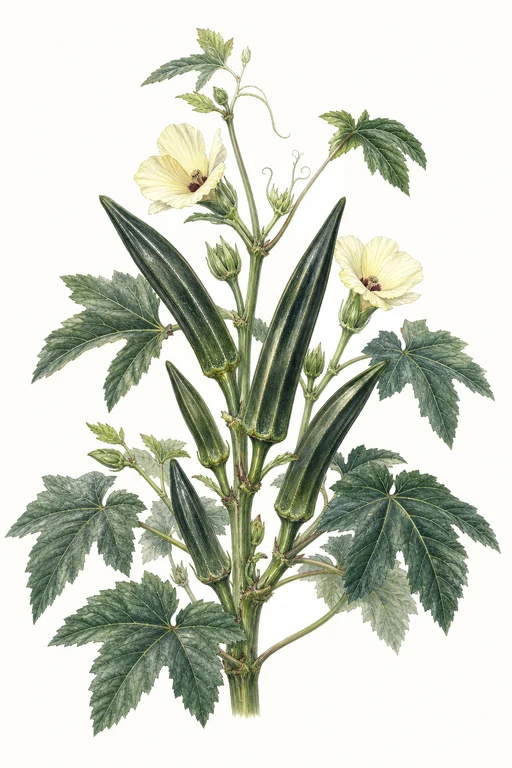
Tender pods arrive with a velvety, jewel-toned look—deep, smoky green with a faintly ridged, almost satin surface that feels satisfyingly substantial in the hand.
Cajun Jewel’s flavor is rich and distinctly grassy-sweet, with a crisp-tender bite that shines in hot, quick preparations and also lends itself beautifully to thickening sauces and stews. Grow this 55-day performer for a steady harvest of uniform, market-ready pods that bring both color and character to the garden bed.
Light: Full SunMaturity: 55 DaysHabit: Upright
Planting schedules and alerts are optimized for Columbus (Zone 6b).
Crop Dates
| Milestone | Date |
|---|---|
| Start Indoors | Direct Sow |
| Last Frost | Apr 25th |
| Transplant / Sow Outdoors | Jun 20th |
| Harvest Begins | Aug 14th |
| Harvest Ends | Oct 16th |
Crop Details
| Trait | Value |
|---|---|
| Days to Maturity | 55 |
| Sun Requirements | Full Sun |
| Growth Habit | Upright |
| Support Needed | None |
| Planting Depth | Normal |
| Germination Temp (°F) | 70 |
| Min Soil Temp (°F) | 65 |
| Min Night Temp (°F) | 55 |
| Harden Off (days) | 10 |
Culinary Notes

Chef's Note
Cajun Jewel’s pods are built for heat—cook them fast and hot to keep that crisp-tender snap, because the mucilage turns silky as soon as it meets moisture and fat. When you let it reduce just enough, it becomes a spoon-thick sauce that hugs sausage and tomato without turning to paste.

Best Uses
- quick-sear or fry pods so they stay crisp while the surface chars
- okra-thickened gumbo and stew base (reduce until silky, not slimy)
- sliced pods in hot sauté with aromatics for a glossy coating

Flavor Profile

Kitchen Pairings
Frequently Asked Questions
What pests or diseases commonly affect Abelmoschus esculentus (okra), and how can I manage them?
How often should I water Abelmoschus esculentus during the main growing phase?
How do I tell when Cajun Jewel okra (Abelmoschus esculentus) is ready to harvest?
Sowing Tips

Transplant Conditions
Wait until soil reaches 65°F and nights stay above 55°F before moving outdoors. Harden off for 10 days first.

Direct Sow Preferred
Sensitive roots — does not transplant well. If starting indoors, use biodegradable pots and disturb roots as little as possible when moving outdoors.
Expert Note

For best stands in short seasons, start indoors only if your nights warm up soon after transplanting, and keep soil consistently warm (okra hates cold).