
California Blackeye No. 5
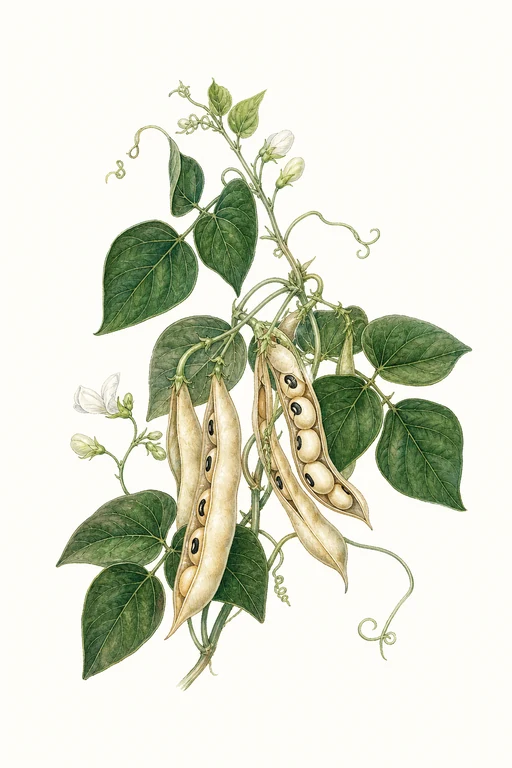
Velvety pods unfold to reveal peas with a striking, inky-black “eye” set against a creamy, pale backdrop—an unforgettable contrast that feels almost velour-soft at first glance.
California Blackeye No. 5 delivers tender, succulent peas with a mellow, nutty sweetness and a satisfying bite, whether you gather them young or let them mature for fuller flavor. Grow it for hearty potfuls and spoonable favorites, where its distinctive black-eyed charm shines in comforting, slow-simmered dishes and vibrant fresh preparations alike.
Light: Full SunMaturity: 70 DaysHabit: Clumping
Crop Dates : 1b
| Milestone | Date |
|---|---|
| Last Frost | Jun 1st |
| Growing Approach | Protected Environment Only |
Crop Details
| Trait | Value |
|---|---|
| Days to Maturity | 70 |
| Sun Requirements | Full Sun |
| Growth Habit | Clumping |
| Support Needed | None |
| Planting Depth | Normal |
| Germination Temp (°F) | 70 |
| Min Soil Temp (°F) | 65 |
| Min Night Temp (°F) | 60 |
| Harden Off (days) | Not Required |
Culinary Notes

Chef's Note
California Blackeye No. 5 cooks up into peas that stay meaty and spoonable—less mush, more velour-smooth with a steady bite. The inky eye doesn’t just look good; it signals a bean that loves slow simmering with pork smoke and sharp acid to keep the flavor awake.

Best Uses
- slow-simmered peas in a thick, spoon-coating pot (beans-and-broth style)
- quick-cook for warm salads where they hold their shape
- mash into a coarse, rustic spread with a little fat and acid
- smoky sides—black-eyed pea succotash or dressed potlikker-style servings

Flavor Profile

Frequently Asked Questions
What’s the most common disease/pest issue for Vigna unguiculata (black-eyed peas) and how do I manage it in my garden?
How often should I water Vigna unguiculata during its main growing phase, and what soil moisture level should I aim for?
How can I tell when Vigna unguiculata (California Blackeye/black-eyed peas) is ready to harvest?
Sowing Tips

Transplant Conditions
Wait until soil reaches 65°F and nights stay above 60°F before moving outdoors.
Expert Note

For best yields, soak seed overnight (optional) and plant 1–1.5 in deep only after warm soil and consistent moisture early on.