
California Red Kidney
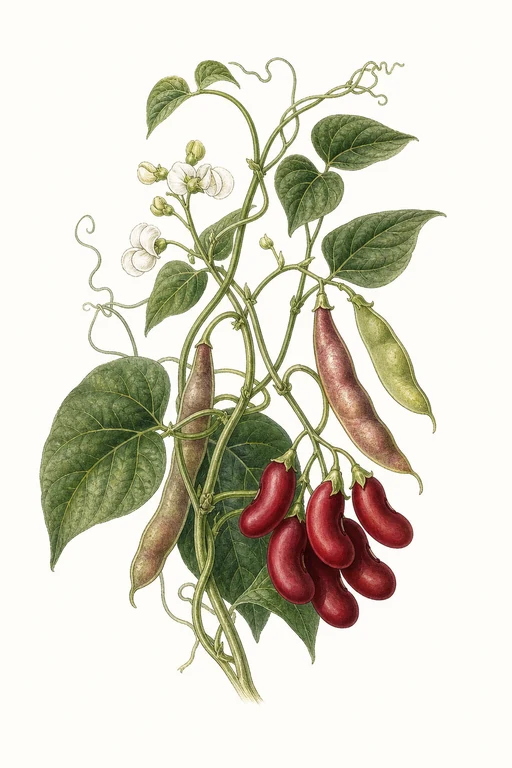
Velvety, deep garnet-red pods give way to handsome California Red Kidney beans—richly colored, elegantly elongated, and built for satisfying, slow-simmered flavor.
Expect a firm, creamy texture when rehydrated, with a nutty, earthy depth that holds its shape beautifully. Grow this dependable 90-day dry bean for pantry-worthy staples and hearty, spoonable results you’ll look forward to all season.
Light: Full SunMaturity: 90 DaysHabit: Bush
Planting schedules and alerts are optimized for Columbus (Zone 6b).
Crop Dates
| Milestone | Date |
|---|---|
| Start Indoors | Direct Sow |
| Last Frost | Apr 25th |
| Transplant / Sow Outdoors | Apr 25th |
| Harvest Begins | Jul 24th |
| Harvest Ends | Oct 16th |
Crop Details
| Trait | Value |
|---|---|
| Days to Maturity | 90 |
| Sun Requirements | Full Sun |
| Growth Habit | Bush |
| Support Needed | None |
| Planting Depth | Normal |
| Germination Temp (°F) | 60 |
| Min Soil Temp (°F) | 60 |
| Min Night Temp (°F) | 50 |
| Harden Off (days) | Not Required |
Culinary Notes

Chef's Note
California Red Kidney is a dependable dry bean with enough starch to make its cooking liquid go silky without breaking down into mush. Its nutty-earthy flavor and shape-holding flesh make it ideal for chili and bean stews where you want spoonable body and clean, creamy texture in every bite.

Best Uses
- long simmer chili with a thick, spoonable body
- Mediterranean-style beans with olive oil and lemon zest
- ragù-like bean stews (hold their shape without turning grainy)
- pureed beans for a smooth, spoon-ready dip or spread

Flavor Profile

Frequently Asked Questions
What pest or disease most often affects Phaseolus vulgaris (California Red Kidney) and how can I stop it?
How often should I water California Red Kidney beans during the main growing phase?
How do I tell when California Red Kidney beans are ready to harvest?
Sowing Tips

Transplant Conditions
Wait until soil reaches 60°F and nights stay above 50°F before moving outdoors.
Expert Note

Sow dry beans directly once soil is warm (about 60°F+), keep evenly moist until emergence, then minimize watering to avoid excess foliage.