
Cannellino Lingua Di Fuoco
Savory-scented and richly satisfying, Cannellino Lingua Di Fuoco dry beans develop a warm, fire-kissed character that feels as inviting as it is hearty.
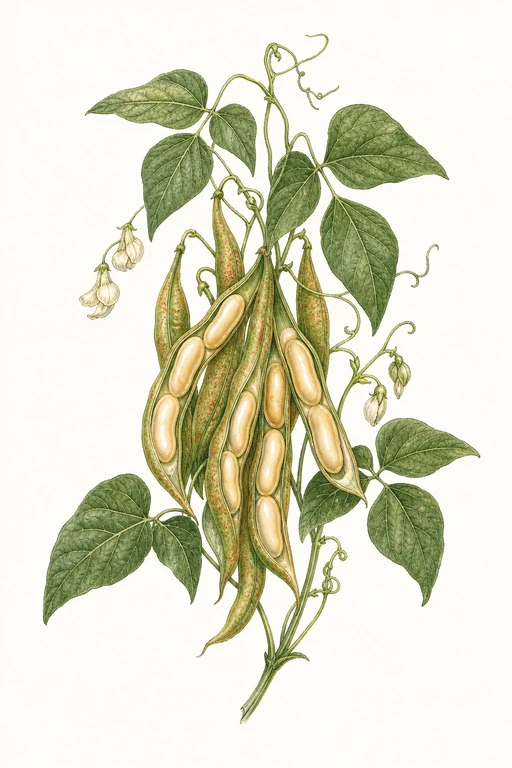
The pods carry a distinctive, elongated form, and the mature beans present a smooth, creamy interior with a firm, meaty bite once rehydrated—ideal for slow-simmered potfuls, robust sauces, and comforting bean-forward dishes. Grow this dependable 105-day variety for a pantry staple that rewards patience with depth of flavor and satisfying texture.
Light: Full SunMaturity: 105 DaysHabit: Bush
Crop Dates : 11b
| Milestone | Date |
|---|---|
| Start Indoors | — |
| Climate | Frost-Free Climate |
| Transplant / Sow Outdoors | Oct 1st |
| Harvest Begins | Jan 14th |
| Harvest Ends | Feb 28th |
Crop Details
| Trait | Value |
|---|---|
| Days to Maturity | 105 |
| Sun Requirements | Full Sun |
| Growth Habit | Bush |
| Support Needed | None |
| Planting Depth | Normal |
| Germination Temp (°F) | 70 |
| Min Soil Temp (°F) | 60 |
| Min Night Temp (°F) | 50 |
| Harden Off (days) | Not Required |
Culinary Notes

Chef's Note
These Cannellini-style dry beans rehydrate into a creamy center with a stubborn, meaty firmness—exactly what you want when the pot has to simmer for hours without turning to paste. Their warm, slightly charred character loves fat (olive oil or pork) and tomatoes, and stands up to garlic and bay with zero need for gentling tricks.

Best Uses
- slow-simmered bean pot with aromatics until creamy but still structured
- thick, spoon-coating bean purée for crostini or grain bowls
- rich bean-and-tomato ragù style sauces
- soups and stews where the beans need to hold shape

Flavor Profile

Frequently Asked Questions
What pest or disease most commonly affects Phaseolus vulgaris (cannellini/bean type) and how do I treat it?
How often should I water Phaseolus vulgaris during the main growing phase (from flowering through pod fill)?
How can I tell when Phaseolus vulgaris is ready to harvest (days to maturity ~105)?
Sowing Tips

Transplant Conditions
Wait until soil reaches 60°F and nights stay above 50°F before moving outdoors.
Expert Note

Direct-sow dry beans after soil warms and keep them evenly moist until established; stop frequent watering once pods set to reduce disease.