
Cannon Ball
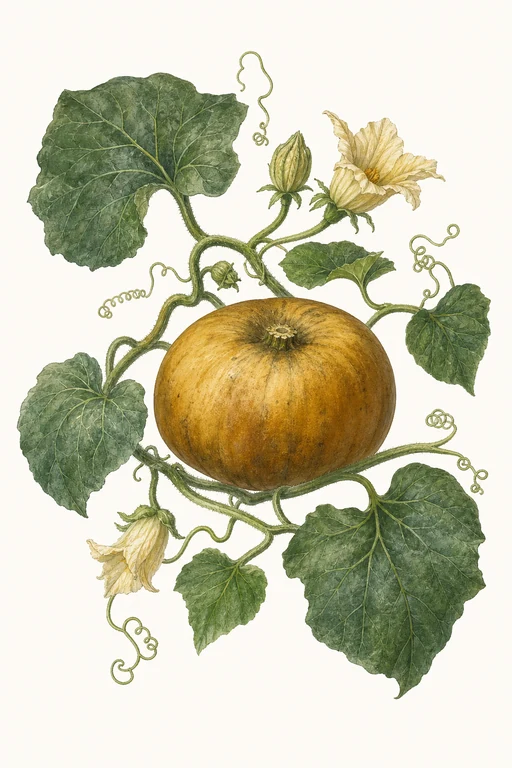
Sink your senses into Cannon Ball’s rich, sun-warmed presence—an impressive gourd with a deep, stately silhouette and a velvety, mature skin that holds its character beautifully.
Expect a firm, dense interior and a satisfying, sturdy texture that makes this variety a standout for home gardeners who enjoy growing bold, sculptural produce. Cannon Ball is ideal for decorative and craft uses, and its dependable 100-day rhythm makes it a rewarding centerpiece in the garden.
Light: Full SunMaturity: 100 DaysHabit: Vine
Planting schedules and alerts are optimized for Columbus (Zone 6b).
Crop Dates
| Milestone | Date |
|---|---|
| Start Indoors | Apr 25th |
| Last Frost | Apr 25th |
| Transplant / Sow Outdoors | May 9th |
| Harvest Begins | Aug 17th |
| Harvest Ends | Oct 16th |
Crop Details
| Trait | Value |
|---|---|
| Days to Maturity | 100 |
| Sun Requirements | Full Sun |
| Growth Habit | Vine |
| Support Needed | Trellis |
| Planting Depth | Normal |
| Germination Temp (°F) | 75 |
| Min Soil Temp (°F) | 65 |
| Min Night Temp (°F) | 55 |
| Harden Off (days) | 10 |
Culinary Notes

Chef's Note
Cannon Ball’s dense interior turns creamy without collapsing, so it’s a gourd that actually behaves in a stew or roast—not just a watery squash situation. Treat it like a hearty, mildly sweet vegetable: let browning do the heavy lifting, then finish with butter and sharp aromatics for contrast.

Best Uses
- thick-cubed braises and stews where the pieces need to hold shape
- roasting until edges caramelize and the center turns silky
- pureeing into velvety soup with stock and aromatics
- quick sauté/steam with butter or olive oil to soften without going watery

Flavor Profile

Frequently Asked Questions
What pest or disease is most likely to hit Lagenaria siceraria (birdhouse/gourd type), and how do I manage it?
How often should I water Lagenaria siceraria during the main growing phase?
How can I tell when Lagenaria siceraria ‘cannon ball’ gourds are ready to harvest?
Sowing Tips

Transplant Conditions
Wait until soil reaches 65°F and nights stay above 55°F before moving outdoors. Harden off for 10 days first.

Direct Sow Preferred
Sensitive roots — does not transplant well. If starting indoors, use biodegradable pots and disturb roots as little as possible when moving outdoors.
Expert Note

Use slightly warmed soil and transplant only when nights are reliably warm, then keep plants evenly watered while they establish for steady fruiting.