
SproutSmart
SproutSmart™ Intelligent Garden Sowing

Carbon Copy

Family: Solanaceae Nightshade

Planting Schedule

Provide your location or planting zone to unlock dates and add Carbon Copy to a garden.

Bursting with a glossy, candy-bright sweetness, Carbon Copy cherry tomatoes ripen to a rich, true red that catches the light on the vine.

Each fruit is small yet satisfyingly firm, with a juicy snap and a clean, aromatic tomato flavor that shines whether you’re savoring them straight from the garden or letting their vivid taste carry through sauces and quick roasting. Grow Carbon Copy for a steady, early harvest at about 60 days—an abundant, vine-hugging treat for the home gardener who loves flavor that pops.

Light: Full SunMaturity: 60 DaysHabit: Indeterminate
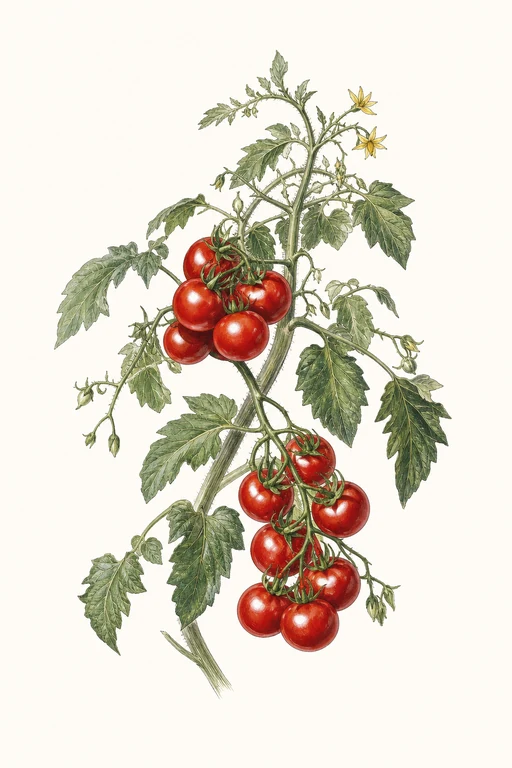
Botanical illustration of Carbon Copy

Location not set yet

Location not set yet

Enter your ZIP for local crop dates

Carbon Copy Planting Dates by USDA Zone

Estimated US hardiness-zone windows for sow, transplant, and harvest. Enter a US ZIP above for exact local dates, or open a zone below.

Zone Start Indoors Sow / Transplant Harvest
Zone 1a Protected Environment Only
Zone 1b Apr 13th Jul 27th Sep 25th – Aug 1st
Zone 2a Apr 6th Jul 20th Sep 18th – Aug 29th
Zone 2b Mar 27th Jul 10th Sep 8th – Aug 25th
Zone 3a Mar 27th Jul 10th Sep 8th – Sep 1st
Zone 3b Mar 31st Jul 14th Sep 12th – Sep 21st
Zone 4a Mar 27th Jul 10th Sep 8th – Sep 24th
Zone 4b Mar 25th Jul 8th Sep 6th – Sep 27th
Zone 5a Mar 20th Jul 3rd Sep 1st – Sep 30th
Zone 5b Mar 16th Jun 29th Aug 28th – Oct 5th
Zone 6a Mar 13th Jun 26th Aug 25th – Oct 10th
Zone 6b Mar 7th Jun 20th Aug 19th – Oct 16th
Zone 7a Mar 2nd Jun 15th Aug 14th – Oct 20th
Zone 7b Feb 20th Jun 5th Aug 4th – Oct 28th
Zone 8a Feb 11th May 27th Jul 26th – Nov 5th
Zone 8b Feb 2nd May 18th Jul 17th – Nov 12th
Zone 9a Jan 16th May 1st Jun 30th – Nov 26th
Zone 9b Dec 22nd Apr 6th Jun 5th – Dec 9th
Zone 10a Continuous Production
Zone 10b Continuous Production
Zone 11a Continuous Production
Zone 11b Continuous Production
Zone 12a Continuous Production
Zone 12b Continuous Production
Zone 13a Continuous Production
Zone 13b Continuous Production

Crop Details

TraitValue
Days to Maturity60
Sun RequirementsFull SunFull sun
Growth HabitIndeterminate
Support NeededStake
Planting DepthDeep
Germination Temp (°F)75
Min Soil Temp (°F)60
Min Night Temp (°F)50
Harden Off (days)8

Culinary Notes


Chef's Note

Small-fruited and firm, Carbon Copy holds shape while delivering a juicy burst—exactly what you want when you don’t want tomatoes to turn soft and watery. It’s built for high-impact raw snacking and quick-roast sauce work where the aromatic intensity stays loud, not muted.

Best Uses

  • eating straight—best chilled or just-picked to underline the snap
  • quick roasting (high heat, short time) so they blister without collapsing into jam
  • tossing into fast pan sauces where the skins stay intact and the juice emulsifies

Flavor Profile

candy-bright sweetness juicy snap with small, firm bite clean, aromatic tomato tang

Kitchen Pairings

garlic olive oil balsamic vinegar mozzarella fresh mozzarella or burrata black pepper

Frequently Asked Questions


What pest or disease is most likely to hit Solanum lycopersicum (chocolate cherry type) in home gardens, and how should I manage it?
Watch for early blight (brown concentric spots on older leaves) and gray mold/botrytis if foliage stays wet. Remove the earliest spotted leaves, improve airflow by pruning lower leaves that touch the soil, and water at the soil line so leaves dry quickly. If problems persist, use a labeled fungicide for tomatoes/early blight and repeat according to label directions.
How often should I water Solanum lycopersicum during the main growing phase?
During active fruiting (after flowering), keep soil evenly moist rather than alternating dry and soggy—typically about 1 to 2 inches of water per week total, adjusted for heat and container size. Water deeply at the base and pause when the top 1 inch of soil feels dry to prevent blossom-end rot and cracking. Consistent moisture is especially important around the first fruit set through harvest.
How can I tell when Solanum lycopersicum is ready to harvest?
Harvest when fruits are fully colored for the variety (deep chocolate/burgundy tone) and have a slight give when gently squeezed, not rock-hard. The seeds inside should look developed, and the fruit should come off easily with a light twist. For most plantings, expect harvest starting around day ~60 and continue picking every few days to avoid overripening.