
Carminat
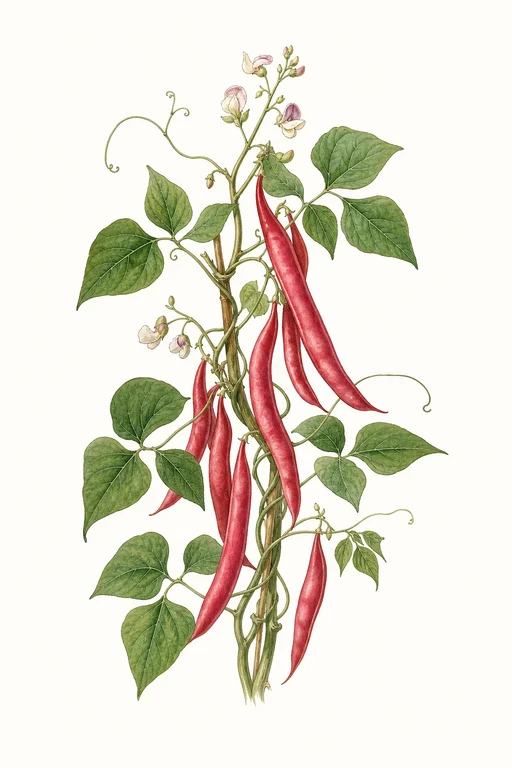
Carminat pole bean unfurls with a vivid, carmine-tinged allure that hints at its richly flavored, tender pods.
Expect a crisp, succulent bite with a smooth, refined texture that holds its appeal from garden to table, making it a standout for fresh snacking and quick stir-fry-style favorites, as well as for vibrant pickling and preserving. Vigorous and dependable at about 60 days, it’s a climbing favorite for gardeners who want beauty and performance in every harvest.
Light: Full SunMaturity: 60 DaysHabit: Vine
Planting schedules and alerts are optimized for Columbus (Zone 6b).
Crop Dates
| Milestone | Date |
|---|---|
| Start Indoors | Direct Sow |
| Last Frost | Apr 25th |
| Transplant / Sow Outdoors | Apr 25th |
| Harvest Begins | Jun 24th |
| Harvest Ends | Oct 16th |
Crop Details
| Trait | Value |
|---|---|
| Days to Maturity | 60 |
| Sun Requirements | Full Sun |
| Growth Habit | Vine |
| Support Needed | Trellis |
| Planting Depth | Normal |
| Germination Temp (°F) | 70 |
| Min Soil Temp (°F) | 60 |
| Min Night Temp (°F) | 50 |
| Harden Off (days) | Not Required |
Culinary Notes

Chef's Note
Carminat pole beans deliver that rare combination of real snap and a smooth, tidy mouthfeel—no chewy fibs to ruin the bite. Use high heat fast (or pickle) so the pods stay crisp and their clean green sweetness doesn’t turn dull.

Best Uses
- quick hot sauté or wok stir-fry where the pods keep their crunch
- blanch-and-chill snacking with salt and lemon for that crisp bite
- vibrant refrigerator pickles (the carmine-tinged look holds up)
- short simmered additions to rice, grain bowls, or spring vegetable medleys

Flavor Profile

Kitchen Pairings
Frequently Asked Questions
What pest or disease commonly affects Phaseolus vulgaris (pole bean) like Carminat, and how can I manage it?
How often should I water Carminat pole beans during the main growing phase?
How do I tell when Carminat pole beans are ready to harvest?
Sowing Tips

Transplant Conditions
Wait until soil reaches 60°F and nights stay above 50°F before moving outdoors.
Expert Note

For best pole-bean yield, soil should be fully warmed and evenly moist while seedlings establish—avoid transplanting to prevent root disturbance.