
Caroline
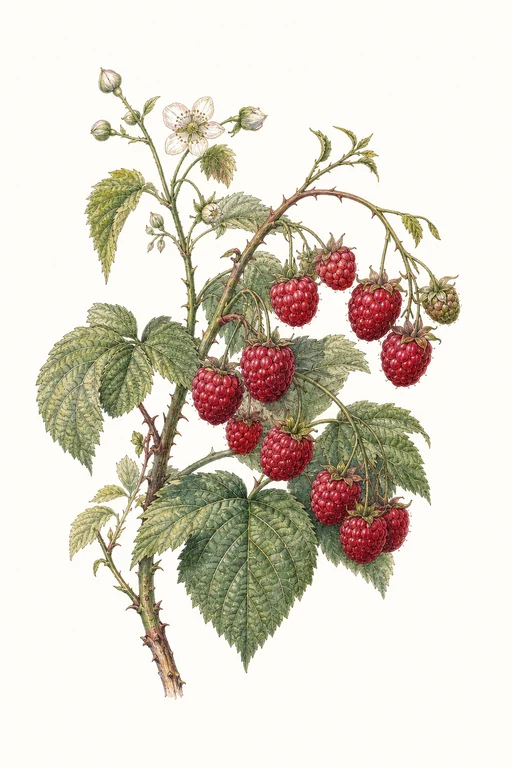
Caroline Raspberry bursts with a luminous, ruby-red glow and a bright, berry-sweet perfume that feels almost perfumed in the garden air.
At maturity, the fruit is tender and juicy, with a classic raspberry snap and a softly seedy richness that shines in fresh baskets and turns especially vivid in preserves and sauces. Grow Caroline for a long, satisfying season of harvest-ready canes and a flavor that tastes like summer’s first sun-warmed berries.
Light: Full SunMaturity: 120 DaysHabit: Upright
Planting schedules and alerts are optimized for Columbus (Zone 6b).
Crop Dates
| Milestone | Date |
|---|---|
| Start Indoors | Direct Sow |
| Last Frost | Apr 25th |
| Transplant / Sow Outdoors | Apr 25th |
| Harvest Begins | Aug 23rd |
| Harvest Ends | Oct 16th |
Crop Details
| Trait | Value |
|---|---|
| Days to Maturity | 120 |
| Sun Requirements | Full Sun |
| Growth Habit | Upright |
| Support Needed | Trellis |
| Planting Depth | Normal |
| Germination Temp (°F) | 70 |
| Min Soil Temp (°F) | 45 |
| Min Night Temp (°F) | 35 |
| Harden Off (days) | 7 |
Culinary Notes

Chef's Note
Caroline raspberries hit with luminous sweetness and a lively snap, the kind that stays juicy in a fresh pour rather than collapsing into a watery mess. When cooked, their softness and seedy richness gives you a sauce that clings and tastes unmistakably like real berries—not jam-flavored water.

Best Uses
- fresh bowl fruit with minimal interference (just a whisper of sugar or cream)
- hot-and-fast pan sauce for pork or chicken
- ruby preserves with a set that isn’t gummy
- swirl into vanilla yogurt or cheesecake batter for pop

Flavor Profile

Kitchen Pairings
Frequently Asked Questions
What is the most common disease problem for Rubus idaeus (raspberries) and how do I manage it?
How often should I water Rubus idaeus during its main growing phase, and what soil moisture level should I aim for?
How can I tell when Caroline (Rubus idaeus) is ready to harvest?
Sowing Tips

Transplant Conditions
Wait until soil reaches 45°F and nights stay above 35°F before moving outdoors. Harden off for 7 days first.
Expert Note

For fall-bearing raspberries, plant transplants as soon as you can work soil in spring or late summer/early fall, and plan to remove old canes after they fruit to keep disease pressure low.