
SproutSmart
SproutSmart™ Intelligent Garden Sowing

Carson Hybrid

Family: Apiaceae Root Vegetable

Planting Schedule

Provide your location or planting zone to unlock dates and add Carson Hybrid to a garden.

Sweet, earthy fragrance rises as soon as the Carson Hybrid tops are brushed—then the roots reveal a rich, honeyed flavor with a tender, fine-grained bite.

Chantenay-style shoulders stay pleasantly compact and uniform, with a crisp texture that holds beautifully from garden-fresh to roasted favorites and vibrant purees. Grow Carson Hybrid for reliable, home-garden harvests at about 75 days, and enjoy its deep orange color as a standout in salads, slaws, and quick pickling-style preparations.

Light: Full SunMaturity: 75 DaysHabit: Taproot
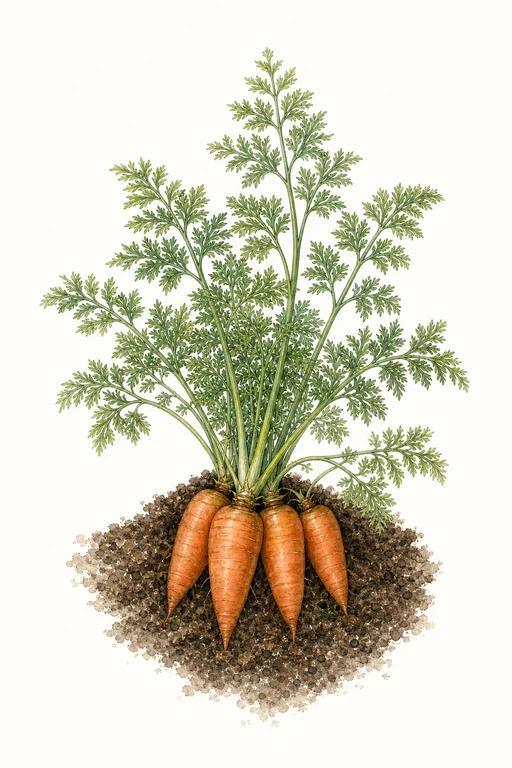
Botanical illustration of Carson Hybrid

Location not set yet

Location not set yet

Enter your ZIP for local crop dates

Carson Hybrid Planting Dates by USDA Zone

Estimated US hardiness-zone windows for sow, transplant, and harvest. Enter a US ZIP above for exact local dates, or open a zone below.

Zone Start Indoors Sow / Transplant Harvest
Zone 1a Protected Environment Only
Zone 1b Protected Environment Only
Zone 2a Direct Sow May 25th Aug 8th – Aug 29th
Zone 2b Direct Sow May 15th Jul 29th – Aug 25th
Zone 3a Direct Sow May 15th Jul 29th – Sep 1st
Zone 3b Direct Sow May 19th Aug 2nd – Sep 21st
Zone 4a Direct Sow May 15th Jul 29th – Sep 24th
Zone 4b Direct Sow May 13th Jul 27th – Sep 27th
Zone 5a Direct Sow May 8th Jul 22nd – Sep 30th
Zone 5b Direct Sow May 4th Jul 18th – Oct 5th
Zone 6a Direct Sow May 1st Jul 15th – Oct 10th
Zone 6b Direct Sow Apr 25th Jul 9th – Oct 16th
Zone 7a Direct Sow Apr 20th Jul 4th – Oct 20th
Zone 7b Direct Sow Apr 10th Jun 24th – Oct 28th
Zone 8a Direct Sow Apr 1st Jun 15th – Nov 5th
Zone 8b Direct Sow Mar 23rd Jun 6th – Nov 12th
Zone 9a Direct Sow Mar 6th May 20th – Nov 26th
Zone 9b Direct Sow Feb 9th Apr 25th – Dec 9th
Zone 10a — Oct 1st Dec 15th – Feb 28th
Zone 10b — Oct 1st Dec 15th – Feb 28th
Zone 11a — Oct 1st Dec 15th – Feb 28th
Zone 11b — Oct 1st Dec 15th – Feb 28th
Zone 12a — Oct 1st Dec 15th – Feb 28th
Zone 12b — Oct 1st Dec 15th – Feb 28th
Zone 13a — Oct 1st Dec 15th – Feb 28th
Zone 13b — Oct 1st Dec 15th – Feb 28th

Crop Details

TraitValue
Days to Maturity75
Sun RequirementsFull SunFull sun
Growth HabitTaproot
Support NeededNone
Planting DepthSurface
Germination Temp (°F)75
Min Soil Temp (°F)50
Min Night Temp (°F)35
Harden Off (days)Not Required

Culinary Notes


Chef's Note

Carson Hybrid leans into that Chantenay superpower: compact, uniformly crisp roots that roast and purée like a dream—sweet enough for honey-lemon glazes but still bright and vegetal under acid. It’s especially good when you want carrot flavor to stay readable instead of turning soft or stringy.

Best Uses

  • thin ribbons in sharp vinaigrettes or shaved salads (no toughness)
  • roasting until edges caramelize while the interior stays tender
  • quick pickling-style slices where the color and crunch matter
  • silky carrot purée or soup blitzed for a smooth, even texture

Flavor Profile

honeyed sweetness with an earthy carrot snap fine-grained tenderness that stays crisp sweet root aromatics with a clean, vegetable finish

Kitchen Pairings

ginger cumin lemon butter honey Greek yogurt

Frequently Asked Questions


What pest or disease most commonly affects Daucus carota (carrot) during summer, and how can I control it?
Carrot rust fly (and its larvae tunneling in roots) is a common summer problem for carrots. Use a fine insect net/row cover over the bed as soon as seedlings emerge, keep weeds down, and avoid letting the soil stay bare and undisturbed—remove infested roots promptly so larvae don’t continue feeding. If you’re seeing fly activity, re-cover immediately after any access and don’t replant the same spot without a break.
How often should I water during the main growing phase so my Royal Chantenay-type carrots form straight roots?
From emergence through bulking (about weeks 3–10), keep the top 1–2 inches of soil evenly moist—about 1 inch of water per week, adjusted for heat, with smaller, more frequent waterings in hot weather. Letting the soil swing from very dry to very wet can trigger cracking or misshapen roots; aim for steady moisture without waterlogging. Mulch lightly to reduce drying on the soil surface, but keep the crown area from sitting in puddles.
How do I tell when my Carson Hybrid carrots are ready to harvest after about 75 days?
Start checking around day 70: gently pull one plant and look for the shoulder—when it’s close to the variety’s expected diameter and the root color is fully developed, they’re ready. Harvest when roots are firm and crisp, not soft or overly hairy, and avoid leaving them too long in warm soil. For the best texture, harvest after a light watering so the soil loosens, then pull straight up and remove foliage to keep roots from drying.