
Celebration
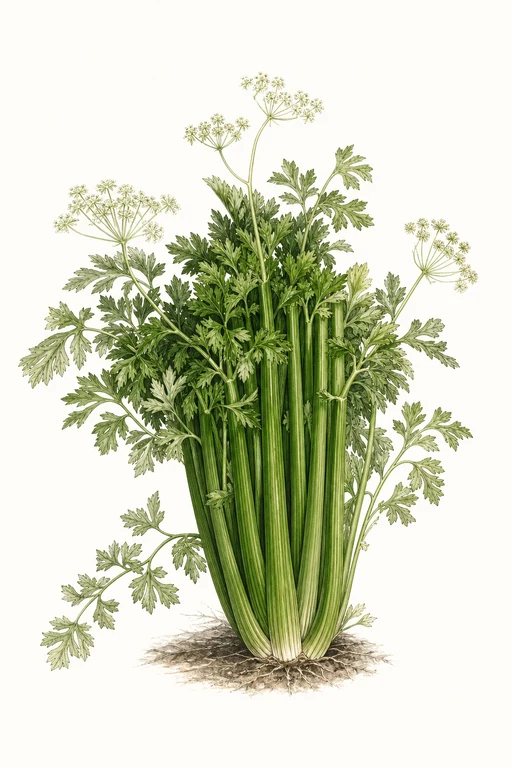
A crisp, cool-scented harvest with a truly celebratory crunch—‘Celebration’ celery forms dense, upright stalks that feel firm and springy to the bite.
Its flavor is bright and clean, with a gentle sweetness and a classic celery snap that shines in fresh bunches and elevates any prepared dish. Grow ‘Celebration’ for reliable, uniform performance and a garden-to-table texture that stays crisp from first pull to the last serving.
Light: Part SunMaturity: 80 DaysHabit: Rosette
Location not set yet
Location not set yet
Enter your ZIP for local crop dates
Celebration Planting Dates by USDA Zone
Estimated US hardiness-zone windows for sow, transplant, and harvest. Enter a US ZIP above for exact local dates, or open a zone below.
| Zone | Start Indoors | Sow / Transplant | Harvest |
|---|---|---|---|
| Zone 1a | Protected Environment Only | ||
| Zone 1b | Protected Environment Only | ||
| Zone 2a | Mar 16th | May 11th | Jul 30th – Aug 29th |
| Zone 2b | Mar 6th | May 1st | Jul 20th – Aug 25th |
| Zone 3a | Mar 6th | May 1st | Jul 20th – Sep 1st |
| Zone 3b | Mar 10th | May 5th | Jul 24th – Sep 21st |
| Zone 4a | Mar 6th | May 1st | Jul 20th – Sep 24th |
| Zone 4b | Mar 4th | Apr 29th | Jul 18th – Sep 27th |
| Zone 5a | Feb 27th | Apr 24th | Jul 13th – Sep 30th |
| Zone 5b | Feb 23rd | Apr 20th | Jul 9th – Oct 5th |
| Zone 6a | Feb 20th | Apr 17th | Jul 6th – Oct 10th |
| Zone 6b | Feb 14th | Apr 11th | Jun 30th – Oct 16th |
| Zone 7a | Feb 9th | Apr 6th | Jun 25th – Oct 20th |
| Zone 7b | Jan 30th | Mar 27th | Jun 15th – Oct 28th |
| Zone 8a | Jan 21st | Mar 18th | Jun 6th – Nov 5th |
| Zone 8b | Jan 12th | Mar 9th | May 28th – Nov 12th |
| Zone 9a | Dec 26th | Feb 20th | May 11th – Nov 26th |
| Zone 9b | Dec 1st | Jan 26th | Apr 16th – Dec 9th |
| Zone 10a | Continuous Production | ||
| Zone 10b | Continuous Production | ||
| Zone 11a | Continuous Production | ||
| Zone 11b | Continuous Production | ||
| Zone 12a | Continuous Production | ||
| Zone 12b | Continuous Production | ||
| Zone 13a | Continuous Production | ||
| Zone 13b | Continuous Production | ||
Crop Details
| Trait | Value |
|---|---|
| Days to Maturity | 80 |
| Sun Requirements | Part Sun |
| Growth Habit | Rosette |
| Support Needed | None |
| Planting Depth | Normal |
| Germination Temp (°F) | 70 |
| Min Soil Temp (°F) | 45 |
| Min Night Temp (°F) | 35 |
| Harden Off (days) | 7 |
Culinary Notes

Chef's Note
Celebration celery is all about the bite: dense, springy stalks that keep their crunch instead of collapsing. Use it where you want that cool, clean snap—raw, lightly dressed, or quick-brined—so it reads as lively rather than cooked-mute.

Best Uses
- raw crudités and shaved-stalk salads (stays snappy under light dressing)
- quick pickle or quick-brine for crunchy bar snack texture
- classic mirepoix-style sauté where you want stalk sweetness without mushiness
- chopped into tuna or chicken salad to give a fresh, watery crunch

Flavor Profile

Kitchen Pairings
Frequently Asked Questions
How do I prevent and treat celery (Apium graveolens var. dulce) pests like aphids or diseases like early blight?
How often should I water sweet celery during active growth, and what soil moisture level should I maintain?
When is sweet celery (Apium graveolens var. dulce) ready to harvest, and what size/appearance should I look for?
Sowing Tips

Transplant Conditions
Wait until soil reaches 45°F and nights stay above 35°F before moving outdoors. Harden off for 7 days first.
Expert Note

Start indoors for an earlier crop, then transplant only once nights are reliably above freezing and the soil is workable for best leaf and stalk quality.