
Cha Cha
Sink your senses into Cha Cha’s rich, deep-sweet aroma and velvety, dense flesh that turns luxuriously tender when roasted.
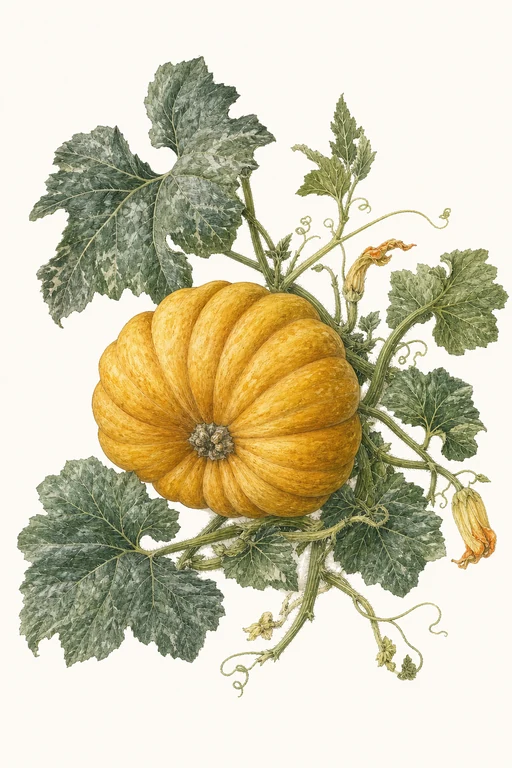
The fruits develop a handsome, flattened silhouette with pronounced ribbing and a warm, sunlit skin tone, offering a satisfying bite that’s equally at home in hearty purées, silky soups, and spoonable sauces. For gardeners who love a dependable 90-day rhythm, Cha Cha delivers bold flavor and a storied harvest you’ll want to keep on hand through the season.
Light: Full SunMaturity: 90 DaysHabit: Vine
Planting schedules and alerts are optimized for Columbus (Zone 6b).
Crop Dates
| Milestone | Date |
|---|---|
| Start Indoors | May 23rd |
| Last Frost | Apr 25th |
| Transplant / Sow Outdoors | Jun 6th |
| Harvest Begins | Sep 4th |
| Harvest Ends | Oct 16th |
Crop Details
| Trait | Value |
|---|---|
| Days to Maturity | 90 |
| Sun Requirements | Full Sun |
| Growth Habit | Vine |
| Support Needed | Trellis |
| Planting Depth | Normal |
| Germination Temp (°F) | 70 |
| Min Soil Temp (°F) | 65 |
| Min Night Temp (°F) | 55 |
| Harden Off (days) | 12 |
Culinary Notes

Chef's Note
Cha Cha’s dense, velvety flesh roasts into something you can puree thick and glossy, without thinning out the pot. It leans caramel-sweet, so it loves browned fat and sharp, aromatic partners—keep the seasoning warm and let the squash stay the star.

Best Uses
- roasted wedges with caramelized edges, then mashed or folded into a mash
- silky purées for stable, spoon-down texture (not watery)
- thick soups or chowders where it stands up like a base, not a garnish
- spoonable sauces and braise-thickener for pork, chicken, or lentils

Flavor Profile

Frequently Asked Questions
What’s the most common disease issue for Cucurbita maxima (kabocha-type squash) and how can I prevent it?
How often should I water Cucurbita maxima during the main growing phase, and what soil moisture level should I aim for?
How do I tell when my Cucurbita maxima (Cha Cha) is ready to harvest?
Sowing Tips

Transplant Conditions
Wait until soil reaches 65°F and nights stay above 55°F before moving outdoors. Harden off for 12 days first.

Direct Sow Preferred
Sensitive roots — does not transplant well. If starting indoors, use biodegradable pots and disturb roots as little as possible when moving outdoors.
Expert Note

For kabocha-type winter squash, start seeds only briefly if needed—then transplant into warm soil and give plenty of room for the vine to expand.