
Chandler
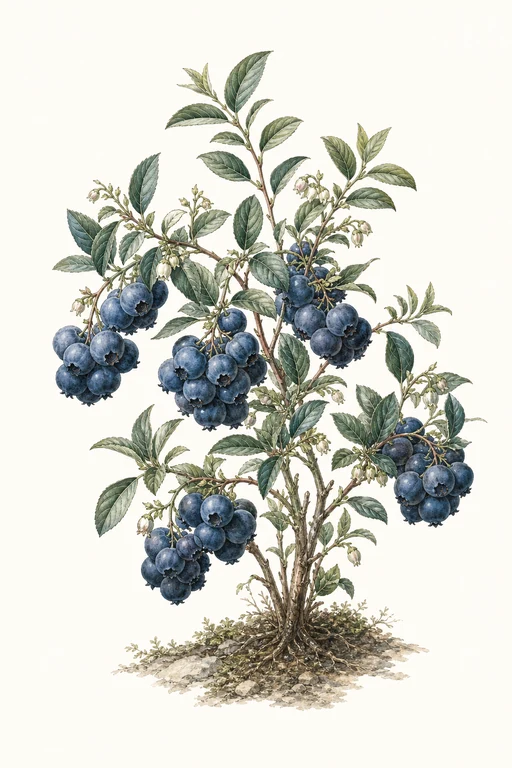
Bursting with a sweet-tart, blueberry perfume, Chandler forms abundant clusters of large berries with a velvety bloom and a deep indigo-blue glow.
The fruit’s firm, juicy texture holds beautifully for fresh snacking and also shines in preserves, sauces, and pies—its bold flavor stands up to warming and simmering with ease. Grow Chandler for a garden-to-plate harvest that feels like a summer treasure, berry after berry, season after season.
Light: Full SunMaturity: 30 DaysHabit: Shrub
Planting schedules and alerts are optimized for Columbus (Zone 6b).
Crop Dates
| Milestone | Date |
|---|---|
| Start Indoors | Direct Sow |
| Last Frost | Apr 25th |
| Transplant / Sow Outdoors | Apr 25th |
| Harvest Begins | May 25th |
| Harvest Ends | Oct 16th |
Crop Details
| Trait | Value |
|---|---|
| Days to Maturity | 30 |
| Sun Requirements | Full Sun |
| Growth Habit | Shrub |
| Support Needed | None |
| Planting Depth | Normal |
| Germination Temp (°F) | 70 |
| Min Soil Temp (°F) | 45 |
| Min Night Temp (°F) | 30 |
| Harden Off (days) | 7 |
Culinary Notes

Chef's Note
Chandler’s firm, juicy berries keep their shape through heat, so you get intact, spoonable fruit instead of a bleeding purée. Its sweet-tart snap and deep berry aroma marry effortlessly with dairy fat and warm spices, especially when you want the flavor to stay forward in a bake or simmer.

Best Uses
- fresh eating and cheese-board snacking (bloom-ready, stays juicy)
- quick berry compote—simmer briefly to keep whole berries intact
- thick pies and galettes—stands up to a hot bake without turning to purple soup
- jam or preserve where its natural acidity helps set faster

Flavor Profile

Kitchen Pairings
Frequently Asked Questions
What’s the most common disease problem for Vaccinium corymbosum (Chandler blueberry), and how do I manage it?
How often should I water Chandler blueberry during the main growing phase, and what soil moisture level should I keep?
How can I tell when Chandler (Vaccinium corymbosum) blueberries are ready to harvest?
Sowing Tips

Transplant Conditions
Wait until soil reaches 45°F and nights stay above 30°F before moving outdoors. Harden off for 7 days first.
Expert Note

Plant highbush blueberries in acidic soil (pH ~4.5–5.5), keep moisture consistent, and mulch heavily to maintain shallow roots.