
Chant
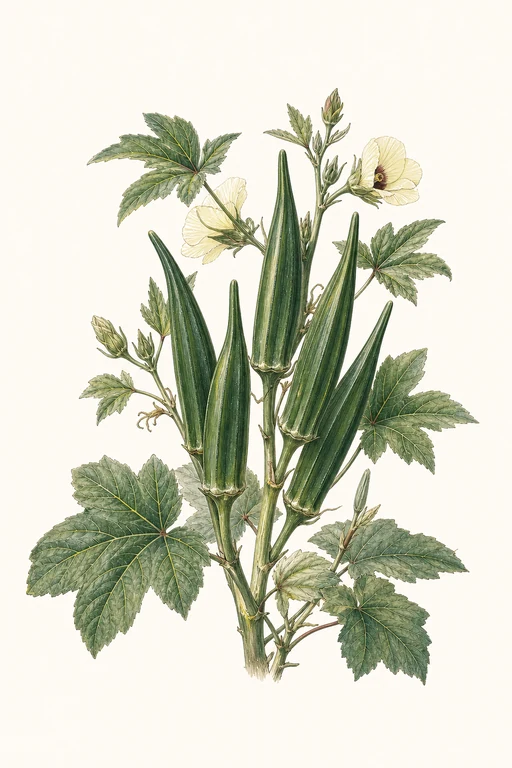
Tender pods of Chant arrive with a velvet-soft, deep-green sheen and a crisp snap that feels as fresh as it looks.
Their slender, upright form matures quickly—about 55 days—offering a steady harvest window for gardeners who love reliable, flavorful okra. Ideal for roasting, fresh use, and quick pickling, Chant’s pods shine in sauces where their natural body and vivid color bring garden-to-jar appeal.
Light: Full SunMaturity: 55 DaysHabit: Upright
Planting schedules and alerts are optimized for Columbus (Zone 6b).
Crop Dates
| Milestone | Date |
|---|---|
| Start Indoors | Direct Sow |
| Last Frost | Apr 25th |
| Transplant / Sow Outdoors | Jun 20th |
| Harvest Begins | Aug 14th |
| Harvest Ends | Oct 16th |
Crop Details
| Trait | Value |
|---|---|
| Days to Maturity | 55 |
| Sun Requirements | Full Sun |
| Growth Habit | Upright |
| Support Needed | None |
| Planting Depth | Normal |
| Germination Temp (°F) | 75 |
| Min Soil Temp (°F) | 65 |
| Min Night Temp (°F) | 55 |
| Harden Off (days) | 10 |
Culinary Notes

Chef's Note
Chant okra hits that sweet spot of crisp snap plus mucilage—when you heat it, it turns sauces silky and clingy instead of weepy. Its clean, green flavor makes it play well with acidic tomatoes and sharp aromatics, and it picks with confidence for jars that stay firm.

Best Uses
- quick sauté or stir-fry where pods stay bright and crisp before thickening the pan
- roasting at high heat to get browned edges while keeping centers tender
- hot-and-fast stews/curries to naturally thicken without flour or starch
- quick pickling for firm, snappy “jar-crunch” pods

Flavor Profile

Frequently Asked Questions
How do I manage powdery mildew on Abelmoschus esculentus (okra) in my garden?
How often should I water Abelmoschus esculentus during its main growing phase?
When is Abelmoschus esculentus ready to harvest, and what size should the pods be?
Sowing Tips

Transplant Conditions
Wait until soil reaches 65°F and nights stay above 55°F before moving outdoors. Harden off for 10 days first.

Direct Sow Preferred
Sensitive roots — does not transplant well. If starting indoors, use biodegradable pots and disturb roots as little as possible when moving outdoors.
Expert Note

Plant okra only after soil has warmed well and nights are reliably warm; thin to the strongest plants and keep soil evenly moist for steady pod set.