
Chianti
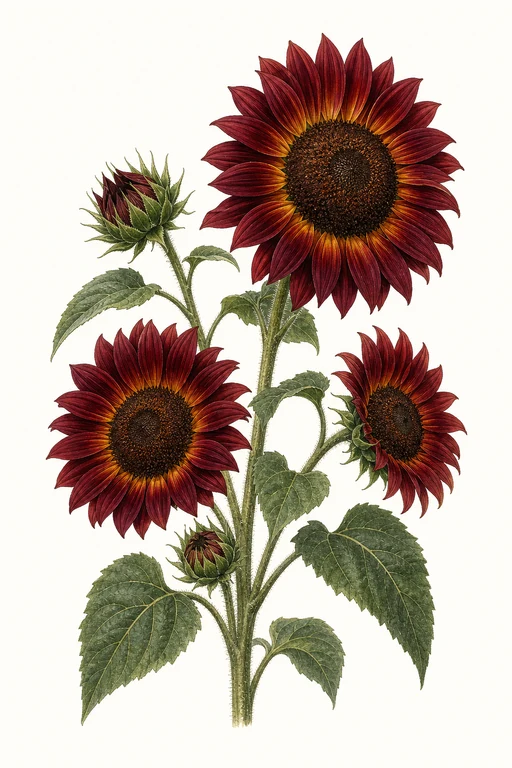
Velvety, wine-kissed petals unfurl in bold, sun-facing heads—Chianti brings a dramatic blend of warm amber and deep garnet tones that feels almost luminous at golden hour.
The blooms hold a sturdy, upright presence with a satisfying, substantial texture, making each flower a standout centerpiece in the garden. Grow Chianti for striking cut-flower impact and pollinator-friendly color that draws bees and butterflies from the first open to the last.
Light: Full SunMaturity: 70 DaysHabit: Upright
Location not set yet
Location not set yet
Enter your ZIP for local crop dates
Chianti Planting Dates by USDA Zone
Estimated US hardiness-zone windows for sow, transplant, and harvest. Enter a US ZIP above for exact local dates, or open a zone below.
| Zone | Start Indoors | Sow / Transplant | Harvest |
|---|---|---|---|
| Zone 1a | Protected Environment Only | ||
| Zone 1b | Protected Environment Only | ||
| Zone 2a | Direct Sow | May 25th | Aug 3rd – Aug 29th |
| Zone 2b | Direct Sow | May 15th | Jul 24th – Aug 25th |
| Zone 3a | Direct Sow | May 15th | Jul 24th – Sep 1st |
| Zone 3b | Direct Sow | May 19th | Jul 28th – Sep 21st |
| Zone 4a | Direct Sow | May 15th | Jul 24th – Sep 24th |
| Zone 4b | Direct Sow | May 13th | Jul 22nd – Sep 27th |
| Zone 5a | Direct Sow | May 8th | Jul 17th – Sep 30th |
| Zone 5b | Direct Sow | May 4th | Jul 13th – Oct 5th |
| Zone 6a | Direct Sow | May 1st | Jul 10th – Oct 10th |
| Zone 6b | Direct Sow | Apr 25th | Jul 4th – Oct 16th |
| Zone 7a | Direct Sow | Apr 20th | Jun 29th – Oct 20th |
| Zone 7b | Direct Sow | Apr 10th | Jun 19th – Oct 28th |
| Zone 8a | Direct Sow | Apr 1st | Jun 10th – Nov 5th |
| Zone 8b | Direct Sow | Mar 23rd | Jun 1st – Nov 12th |
| Zone 9a | Direct Sow | Mar 6th | May 15th – Nov 26th |
| Zone 9b | Direct Sow | Feb 9th | Apr 20th – Dec 9th |
| Zone 10a | — | Oct 1st | Dec 10th – Feb 28th |
| Zone 10b | — | Oct 1st | Dec 10th – Feb 28th |
| Zone 11a | — | Oct 1st | Dec 10th – Feb 28th |
| Zone 11b | — | Oct 1st | Dec 10th – Feb 28th |
| Zone 12a | — | Oct 1st | Dec 10th – Feb 28th |
| Zone 12b | — | Oct 1st | Dec 10th – Feb 28th |
| Zone 13a | — | Oct 1st | Dec 10th – Feb 28th |
| Zone 13b | — | Oct 1st | Dec 10th – Feb 28th |
Crop Details
| Trait | Value |
|---|---|
| Days to Maturity | 70 |
| Sun Requirements | Full Sun |
| Growth Habit | Upright |
| Support Needed | None |
| Planting Depth | Normal |
| Germination Temp (°F) | 70 |
| Min Soil Temp (°F) | 55 |
| Min Night Temp (°F) | 40 |
| Harden Off (days) | Not Required |
Frequently Asked Questions
What pest or disease problem is most common on Helianthus annuus (sunflower) and how can I control it?
How often should I water Chianti sunflowers during the main growing phase?
How do I tell when Chianti (Helianthus annuus) is ready to harvest?
Sowing Tips

Transplant Conditions
Wait until soil reaches 55°F and nights stay above 40°F before moving outdoors.
Expert Note

For best blooms and strong cut stems, sow in full sun after frost and keep soil evenly moist until seedlings establish.