
Cicoria
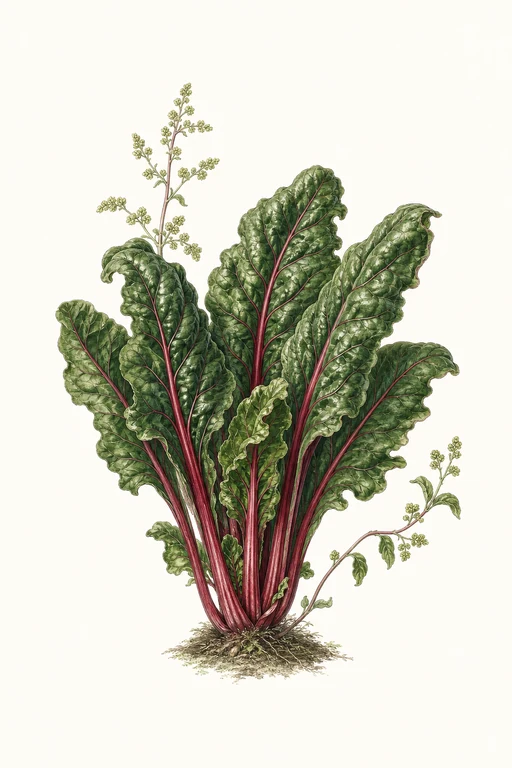
Silky, deeply ribbed leaves unfurl with a luminous, crisp snap—Cicoria Swiss Chard brings a vivid, garden-bright color that feels almost jewel-toned in the bed.
Expect tender, succulent texture with a gentle, earthy sweetness and a pleasantly firm midrib that holds its shape beautifully. Grow Cicoria for fresh salads, quick sautés, and vibrant sauces, or for pickling-style preserves that showcase its bold stems and lush foliage.
Light: Part SunMaturity: 50 DaysHabit: Rosette
Planting schedules and alerts are optimized for Columbus (Zone 6b).
Crop Dates
| Milestone | Date |
|---|---|
| Start Indoors | Apr 4th |
| Last Frost | Apr 25th |
| Transplant / Sow Outdoors | Apr 25th |
| Harvest Begins | Jun 14th |
| Harvest Ends | Oct 16th |
Crop Details
| Trait | Value |
|---|---|
| Days to Maturity | 50 |
| Sun Requirements | Part Sun |
| Growth Habit | Rosette |
| Support Needed | None |
| Planting Depth | Normal |
| Germination Temp (°F) | 70 |
| Min Soil Temp (°F) | 40 |
| Min Night Temp (°F) | 28 |
| Harden Off (days) | 6 |
Culinary Notes

Chef's Note
Cicoria’s standout is the edible crunch: the rib holds shape through heat while the leaf stays succulent, not woolly. Treat it like a greens-and-stem hybrid—fast cooking or sharp, acidic dressings make the sweetness pop and keep the bite intact.

Best Uses
- quick sauté where the midrib stays snappy and the leaf turns silky
- shaved or torn raw in salads under a briny, citrus-forward vinaigrette
- silky braises or puree-style sauces (blend ribs for body)
- pickling-style preserves that keep the stems crisp

Flavor Profile

Kitchen Pairings
Frequently Asked Questions
What disease or pest most commonly affects Swiss chard (Beta vulgaris var. cicla) and what should I do?
How often should I water Swiss chard during its main growing phase?
How can I tell when Swiss chard (Beta vulgaris var. cicla) is ready to harvest?
Sowing Tips

Transplant Conditions
Wait until soil reaches 40°F and nights stay above 28°F before moving outdoors. Harden off for 6 days first.
Expert Note

Start seeds indoors for a head start, but keep them cool and harden off well—chard tastes best with steady moisture and some afternoon shade in warm weather.