
Cisineros
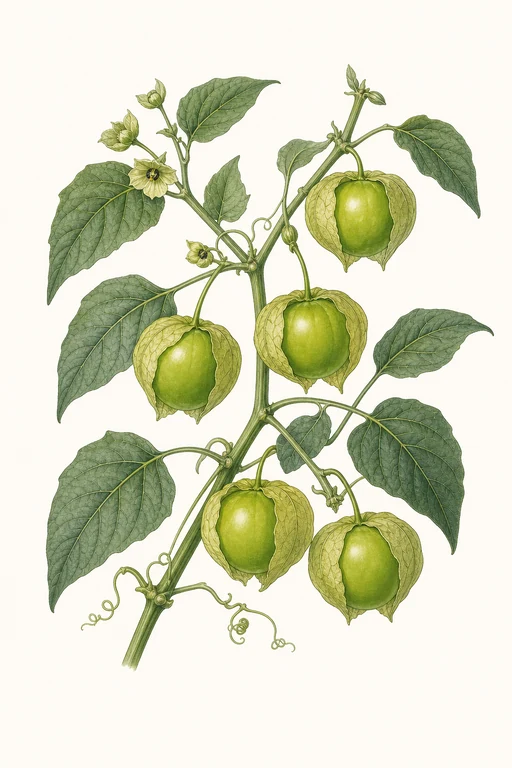
Sunlit, citrus-bright flavor bursts from Cisineros tomatillos, wrapped in crisp, papery husks that feel like thin parchment in the garden.
The ripe fruits develop a vivid green glow with a pleasantly firm, juicy texture—ideal for bold salsas and tangy sauces, as well as quick pickling for a bright, lively bite. Grow Cisineros for dependable harvests around 75 days, when the husks tighten and the fruit’s color turns unmistakably vibrant.
Light: Full SunMaturity: 75 DaysHabit: Indeterminate
Planting schedules and alerts are optimized for Columbus (Zone 6b).
Crop Dates
| Milestone | Date |
|---|---|
| Start Indoors | Mar 14th |
| Last Frost | Apr 25th |
| Transplant / Sow Outdoors | Jun 20th |
| Harvest Begins | Sep 3rd |
| Harvest Ends | Oct 16th |
Crop Details
| Trait | Value |
|---|---|
| Days to Maturity | 75 |
| Sun Requirements | Full Sun |
| Growth Habit | Indeterminate |
| Support Needed | Stake |
| Planting Depth | Deep |
| Germination Temp (°F) | 75 |
| Min Soil Temp (°F) | 60 |
| Min Night Temp (°F) | 50 |
| Harden Off (days) | 7 |
Culinary Notes

Chef's Note
Cisineros tomatillos hit with a vivid, citrusy snap and firm, juicy flesh—so your salsa stays loud and chunky instead of turning watery. Their tartness loves heat and fat, so reduce them briefly for cling, then finish with lime and salt for a clean, electric bite.

Best Uses
- charred tomatillo salsa with a chunky, juicy set
- fast pickling for a razor-edged tang that stays crunchy
- tangy skillet sauces for tacos and roasted proteins
- quick simmered tomatillo crema-style sauces (reduced for cling)

Flavor Profile

Frequently Asked Questions
What pest or disease most commonly affects Physalis philadelphica (tomatillo-type “cisineros”), and how can I control it?
How often should I water Physalis philadelphica during its main growing phase (after it’s established)?
How do I know when Physalis philadelphica is ready to harvest?
Sowing Tips

Transplant Conditions
Wait until soil reaches 60°F and nights stay above 50°F before moving outdoors. Harden off for 7 days first.
Expert Note

For best yields, transplant only after soil is reliably warm (around 60°F+), then keep plants evenly watered and harvest once the husks fill and split.