
Cisneros
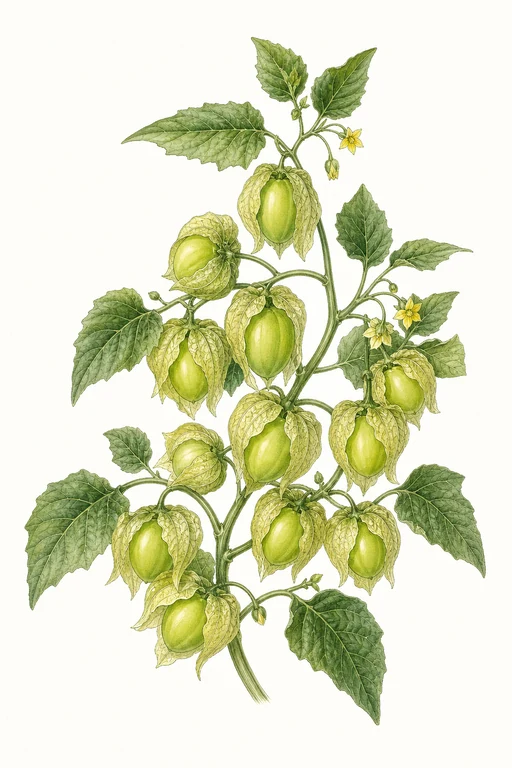
Sunlit, citrus-leaning tang bursts from Cisneros tomatillos, wrapped in papery husks that glow like lanterns as they ripen.
The fruit is firm and pleasantly juicy, with a smooth, glossy skin that holds its shape for bright, lively sauces and quick pickling. Grow Cisneros for a steady harvest of bold flavor—an eye-catching nightshade that turns the garden into a harvest of warm, tart brightness.
Light: Full SunMaturity: 75 DaysHabit: Upright
Planting schedules and alerts are optimized for Columbus (Zone 6b).
Crop Dates
| Milestone | Date |
|---|---|
| Start Indoors | Mar 14th |
| Last Frost | Apr 25th |
| Transplant / Sow Outdoors | Jun 20th |
| Harvest Begins | Sep 3rd |
| Harvest Ends | Oct 16th |
Crop Details
| Trait | Value |
|---|---|
| Days to Maturity | 75 |
| Sun Requirements | Full Sun |
| Growth Habit | Upright |
| Support Needed | Stake |
| Planting Depth | Deep |
| Germination Temp (°F) | 75 |
| Min Soil Temp (°F) | 60 |
| Min Night Temp (°F) | 50 |
| Harden Off (days) | 10 |
Culinary Notes

Chef's Note
Cisneros tomatillos land with a clean, citrusy snap and a sturdy, juicy flesh that keeps its shape—great when you want tang without turning watery. Roast or pickle them and they give you glossy, bright sauces and street-ready acidity that plays perfectly with cilantro, lime, and rich meats.

Best Uses
- quick pickling for crunchy, tangy pops
- blended, husk-fresh salsas that stay glossy and cohesive
- hot sauté or roast for caramel-edge acidity
- thickening charred sauce bases for tacos and braises

Flavor Profile

Frequently Asked Questions
What pest or disease most commonly affects Physalis philadelphica (tomatillo/groundcherry type) and how do I manage it?
How often should I water Physalis philadelphica during the main growing phase?
How can I tell when Physalis philadelphica is ready to harvest?
Sowing Tips

Transplant Conditions
Wait until soil reaches 60°F and nights stay above 50°F before moving outdoors. Harden off for 10 days first.
Expert Note

Start seeds indoors for sturdier transplants, then wait until nights are reliably warm before setting out to avoid slow, stunted growth.