
Classic Artistic Blend
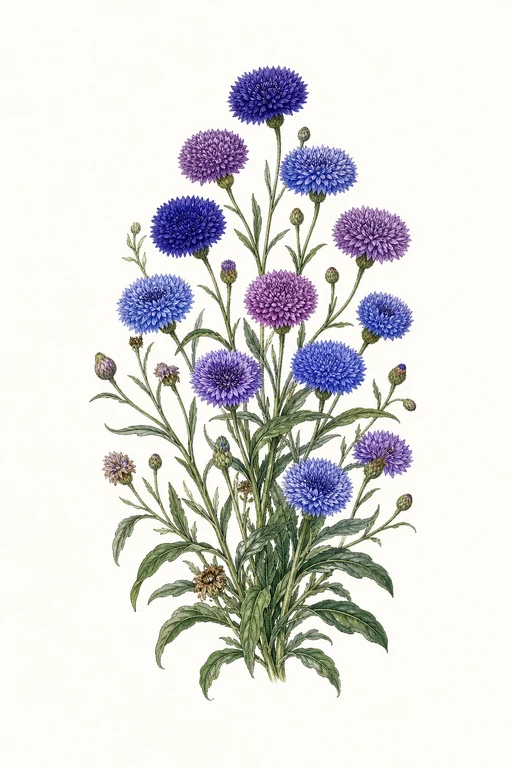
Velvety, painterly blooms arrive in a steady wave—classic Bachelor’s Button charm with a crisp, satiny texture and a vivid, old-world color blend that feels almost luminous in the garden.
Expect sturdy, upright stems topped with tight, button-like flower heads that hold their shape beautifully, making them a standout for beds, borders, and long-lasting display. “Classic Artistic Blend” is a favorite for gardeners who want a dependable 70-day show of bold, airy color with a refined, collectible look.
Light: Full SunMaturity: 70 DaysHabit: Upright
Planting schedules and alerts are optimized for Columbus (Zone 6b).
Crop Dates
| Milestone | Date |
|---|---|
| Start Indoors | Direct Sow |
| Last Frost | Apr 25th |
| Transplant / Sow Outdoors | Apr 25th |
| Harvest Begins | Jul 4th |
| Harvest Ends | Oct 16th |
Crop Details
| Trait | Value |
|---|---|
| Days to Maturity | 70 |
| Sun Requirements | Full Sun |
| Growth Habit | Upright |
| Support Needed | None |
| Planting Depth | Normal |
| Germination Temp (°F) | 70 |
| Min Soil Temp (°F) | 60 |
| Min Night Temp (°F) | 40 |
| Harden Off (days) | Not Required |
Culinary Notes

Chef's Note
These petals are crisp-satiny with a delicate sweet-floral profile, so they behave best as a fresh, cold garnish where their snap stays intact. Use them sparingly—just a few button blooms per plate—so the color stays luminous and the flavor doesn’t tip herbal-bitter.

Best Uses
- ice-cold garnish on chilled salads and seafood platters
- tossed through mixed greens to add speckled color without sogging
- steeped briefly into light syrups for quick-drink cocktails
- pressed into butter or folded into soft cheese spreads for visual pop

Flavor Profile

Frequently Asked Questions
Why are my Centaurea cyanus (cornflower) leaves turning pale or developing a dusty coating, and what should I do?
How often should I water Centaurea cyanus during the main growing phase to keep the right soil moisture?
How can I tell when Centaurea cyanus (cornflower) is ready to harvest?
Sowing Tips

Transplant Conditions
Wait until soil reaches 60°F and nights stay above 40°F before moving outdoors.
Expert Note

For the meadow look, sow directly in place for best results and thin only after seedlings are established.