
Cobham Improved Marrow
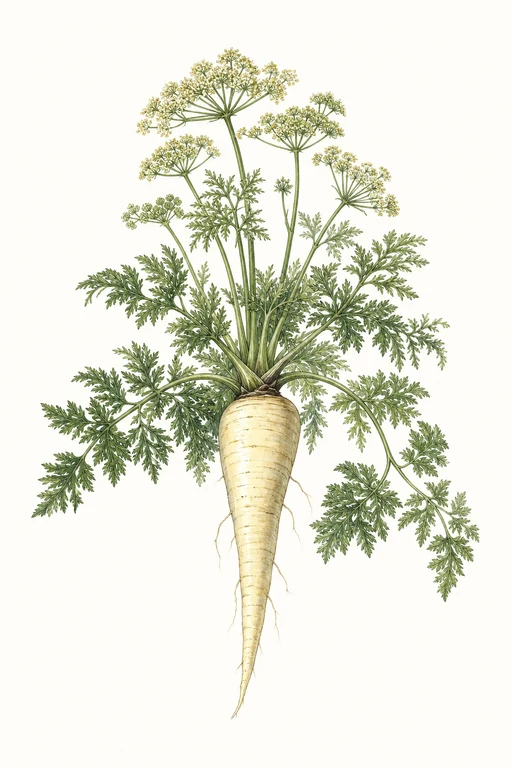
Sweetly earthy and richly aromatic, Cobham Improved Marrow develops long, tapered roots with a creamy, smooth interior that tastes like a gentle blend of garden sweetness and roasted nuttiness.
The flesh is notably tender and fine-grained, holding its appeal from fresh harvest through oven-browning and hearty mash-style preparations. Grow this dependable 110-day parsnip for a satisfying, full-bodied flavor that shines in roasts, soups, and velvety sauces—an heirloom-worthy staple for the home garden.
Light: Full SunMaturity: 110 DaysHabit: Taproot
Planting schedules and alerts are optimized for Columbus (Zone 6b).
Crop Dates
| Milestone | Date |
|---|---|
| Start Indoors | Direct Sow |
| Last Frost | Apr 25th |
| Transplant / Sow Outdoors | Apr 25th |
| Harvest Begins | Aug 13th |
| Harvest Ends | Oct 16th |
Crop Details
| Trait | Value |
|---|---|
| Days to Maturity | 110 |
| Sun Requirements | Full Sun |
| Growth Habit | Taproot |
| Support Needed | None |
| Planting Depth | Normal |
| Germination Temp (°F) | 50 |
| Min Soil Temp (°F) | 45 |
| Min Night Temp (°F) | 28 |
| Harden Off (days) | Not Required |
Culinary Notes

Chef's Note
Cobham Improved Marrow brings a gentle, sweet earth that roasts into a nutty perfume—its fine-grained tenderness helps it mash silky instead of turning fibrous or watery. When you let it brown hard in the oven, the flavor turns from garden-sweet to deeply savory, making it a natural partner to butter, cream, and pork.

Best Uses
- high-heat oven roasting until deeply browned at the edges
- velvety parsnip soup or purée (works silky without stringiness)
- sheet-pan parsnip + thyme/garlic-style roasting alongside stronger proteins
- mash-style preparations where it stays smooth and sweet rather than watery

Flavor Profile

Frequently Asked Questions
Why are my Pastinaca sativa (parsnip) roots developing dark, spreading lesions or cracking near the soil line, and what should I do?
How often should I water parsnips during the main root-filling stage (mid-summer to fall)?
How can I tell when Pastinaca sativa (Cobham Improved Marrow parsnips) are ready to harvest?
Sowing Tips

Transplant Conditions
Wait until soil reaches 45°F and nights stay above 28°F before moving outdoors.
Expert Note

Sow parsnip seeds directly in deeply loosened soil and keep the surface consistently moist until germination, since they hate transplanting and transplant shock can cause forking or poor roots.