
Collective Farm Woman
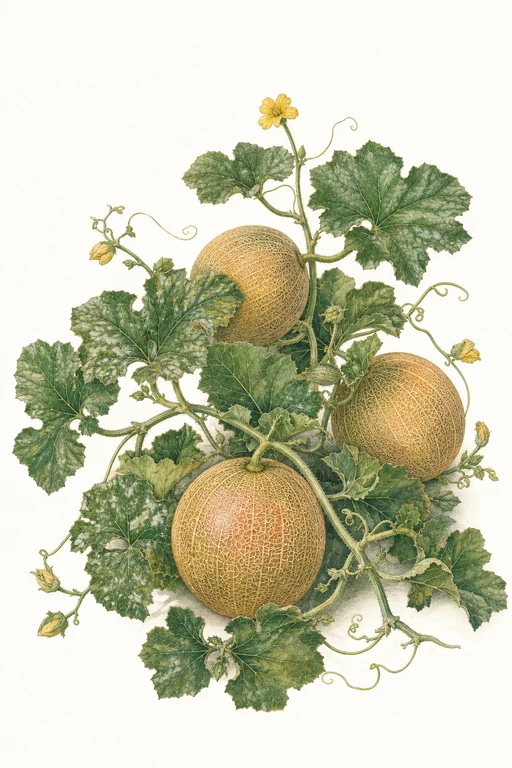
Fragrant, honeyed sweetness bursts from Collective Farm Woman cantaloupe with a richly perfumed aroma and a tender, juicy flesh that feels silken between the fingers.
The fruit develops a warm, netted rind and a classic cantaloupe silhouette, delivering bold flavor for fresh enjoyment and show-stopping slices. Grow this 80-day favorite for a reliable harvest that turns garden mornings into a celebration of ripe, golden abundance.
Light: Full SunMaturity: 80 DaysHabit: Vine
Planting schedules and alerts are optimized for Columbus (Zone 6b).
Crop Dates
| Milestone | Date |
|---|---|
| Start Indoors | Mar 28th |
| Last Frost | Apr 25th |
| Transplant / Sow Outdoors | Apr 11th |
| Harvest Begins | Jun 30th |
| Harvest Ends | Oct 16th |
Crop Details
| Trait | Value |
|---|---|
| Days to Maturity | 80 |
| Sun Requirements | Full Sun |
| Growth Habit | Vine |
| Support Needed | Trellis |
| Planting Depth | Normal |
| Germination Temp (°F) | 75 |
| Min Soil Temp (°F) | 65 |
| Min Night Temp (°F) | 55 |
| Harden Off (days) | 10 |
Culinary Notes

Chef's Note
Collective Farm Woman leans hard into that ripe cantaloupe perfume—sweet, aromatic, and tender—so treat it gently and serve it cold or lightly warmed. Its silken juiciness makes it ideal for slices that hold together on a plate, and it pairs like a dream with salty fat (prosciutto, feta) and a sharp squeeze of lime.

Best Uses
- cold fruit plates with a little lime and flaky salt
- thin, clean slices for stacking—no dehydration, no mush
- blended smoothies and creamy sorbet-style purees
- quick grill or broil for caramelized edges and perfumed steam

Flavor Profile

Frequently Asked Questions
What’s the most common disease pest problem on Cucumis melo (melon) and how do I control it?
How often should I water Cucumis melo during the main growing phase?
How can I tell when Cucumis melo is ready to harvest?
Sowing Tips

Transplant Conditions
Wait until soil reaches 65°F and nights stay above 55°F before moving outdoors. Harden off for 10 days first.

Direct Sow Preferred
Sensitive roots — does not transplant well. If starting indoors, use biodegradable pots and disturb roots as little as possible when moving outdoors.
Expert Note

Because this is a cucurbit (melon), aim for warm soil and minimize transplant shock—use protection if nights are cool.