
Columbia Star
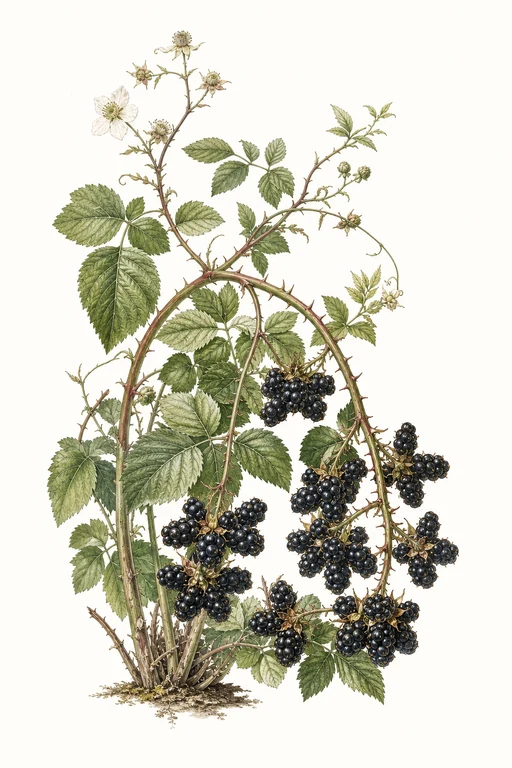
Sink your fingers into Columbia Star’s glossy, deep-black berries—each one bursting with a bright, blackberry-tart perfume and a sweet, juicy finish.
The fruit forms on vigorous canes with an elegant, star-like cluster presentation, delivering a firm yet succulent texture that shines in fresh baskets and turns beautifully into rich, dark preserves and sauces. Grow this standout for a long season of rewarding harvests, from first ripe berries to a steady finale.
Light: Full SunMaturity: 365 DaysHabit: Mounding
Planting schedules and alerts are optimized for Columbus (Zone 6b).
Crop Dates
| Milestone | Date |
|---|---|
| Last Frost | Apr 25th |
| Growing Approach | Protected Environment Only |
Crop Details
| Trait | Value |
|---|---|
| Days to Maturity | 365 |
| Sun Requirements | Full Sun |
| Growth Habit | Mounding |
| Support Needed | Trellis |
| Planting Depth | Normal |
| Germination Temp (°F) | 70 |
| Min Soil Temp (°F) | 50 |
| Min Night Temp (°F) | 35 |
| Harden Off (days) | Not Required |
Culinary Notes

Chef's Note
Columbia Star leans into that classic blackberry bite—tart enough to perk up dairy and chocolate, but juicy enough to pop on the tongue without turning stewy. Use it early and often: it holds up through a short simmer for sauce, and it gels beautifully when you cook it down into something spoon-thick.

Best Uses
- fresh eating where the firm-succulent berries stay distinct
- stirred preserves and thick jam—ideal for a clean set and dark color
- fruit sauces for duck or pork, simmered down until spoon-coating

Flavor Profile

Kitchen Pairings
Frequently Asked Questions
What are the most common pests or diseases for Rubus fruticosus (blackberry) and how do I manage them at home?
How often should I water Rubus fruticosus during the main growing season to keep fruiting canes healthy?
How can I tell when Columbia Star blackberry (Rubus fruticosus) is ready to harvest?
Sowing Tips

Transplant Conditions
Wait until soil reaches 50°F and nights stay above 35°F before moving outdoors.
Expert Note

Plant blackberry brambles in full sun with good drainage, and plan to train the trailing canes on a trellis to keep fruit off the ground and improve airflow.