
Common
Fragrant and aromatic from the first bruised leaf, Common mugwort offers a bold, herbal character with a pleasantly bitter edge and a softly resinous finish.
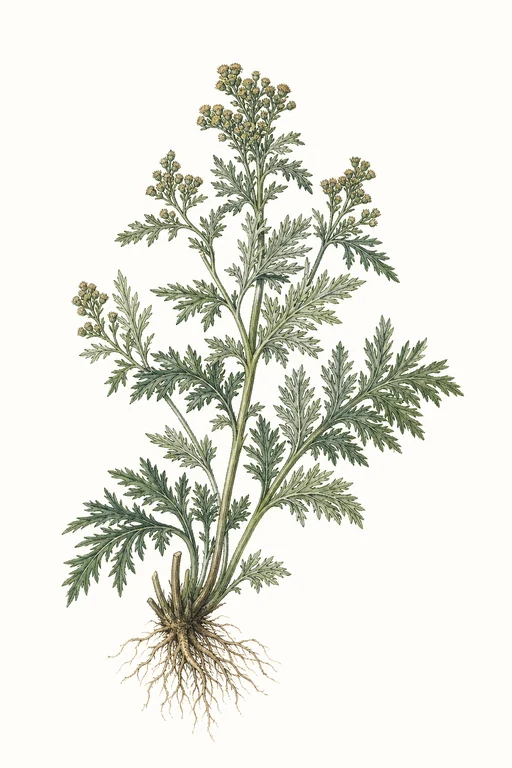
Its finely divided foliage brings a feathery, garden-textured presence that matures in about 60 days, rewarding growers with steady, harvest-ready growth. Ideal for drying and infusing, Common mugwort is a distinctive staple for herbal blends and traditional preparations—grown for its unmistakable scent and deep, lingering flavor.
Light: Full SunMaturity: 60 DaysHabit: Upright
Planting schedules and alerts are optimized for Columbus (Zone 6b).
Crop Dates
| Milestone | Date |
|---|---|
| Start Indoors | Apr 11th |
| Last Frost | Apr 25th |
| Transplant / Sow Outdoors | Jun 6th |
| Harvest Begins | Aug 5th |
| Harvest Ends | Oct 16th |
Crop Details
| Trait | Value |
|---|---|
| Days to Maturity | 60 |
| Sun Requirements | Full Sun |
| Growth Habit | Upright |
| Support Needed | None |
| Planting Depth | Surface |
| Germination Temp (°F) | 60 |
| Min Soil Temp (°F) | 45 |
| Min Night Temp (°F) | 35 |
| Harden Off (days) | 7 |
Culinary Notes

Chef's Note
Common mugwort tastes like a darkly fragrant field herb—bitter, aromatic, and faintly resinous—so it rewards patience and restraint. Bruise it, steep it, or dry it down; it works best when you want bitterness to cut through fat without turning the dish medicinal.

Best Uses
- dry and crumble into infused oils or vinegars
- steep for bitter herbal tea or broth-like infusions
- mix into sausage or fatty fillings for a sharp, gamey lift
- use sparingly in cooked grains and braises to season like a dried herb

Flavor Profile

Kitchen Pairings
Frequently Asked Questions
What pest or disease commonly affects Artemisia vulgaris, and how can I manage it in my garden?
How often should I water Artemisia vulgaris during its main growing phase?
How can I tell when Artemisia vulgaris is ready to harvest (about 60 days)?
Sowing Tips

Transplant Conditions
Wait until soil reaches 45°F and nights stay above 35°F before moving outdoors. Harden off for 7 days first.
Expert Note

Mugwort establishes best in a sunny, well-drained spot and can become invasive—keep it in a barrier pot or well-contained bed.