
Corsican
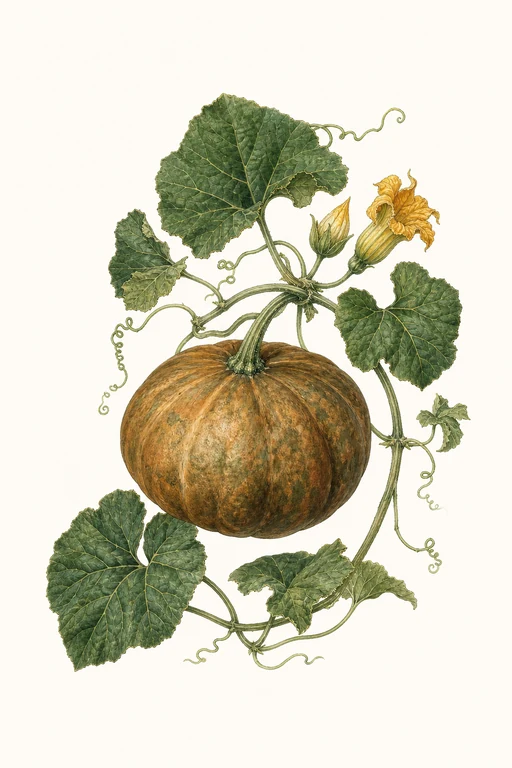
Sun-warmed and richly aromatic, Corsican gourd develops a deep, mottled skin that turns beautifully at maturity—ideal for creating a striking centerpiece while offering a pleasantly firm, dry texture.
The flesh firms as it cures, making it especially satisfying for long-lasting use as a decorative gourd and for crafting purposes. Grow Corsican for its vigorous, sprawling habit and its dramatic, heritage look that rewards the season with bold, sculptural form.
Light: Full SunMaturity: 110 DaysHabit: Vine
Planting schedules and alerts are optimized for Columbus (Zone 6b).
Crop Dates
| Milestone | Date |
|---|---|
| Start Indoors | Direct Sow |
| Last Frost | Apr 25th |
| Transplant / Sow Outdoors | May 9th |
| Harvest Begins | Aug 27th |
| Harvest Ends | Oct 16th |
Crop Details
| Trait | Value |
|---|---|
| Days to Maturity | 110 |
| Sun Requirements | Full Sun |
| Growth Habit | Vine |
| Support Needed | Trellis |
| Planting Depth | Normal |
| Germination Temp (°F) | 70 |
| Min Soil Temp (°F) | 65 |
| Min Night Temp (°F) | 55 |
| Harden Off (days) | 10 |
Culinary Notes

Chef's Note
Corsican gourd is a slow-softening, low-water cook—great when you want the bite of a squash that won’t slump into broth. Roast or long-braise it with strong aromatics (sage/garlic/thyme) and a little fat so the nutty aroma comes forward instead of tasting bland and fibrous.

Best Uses
- cut into thick chunks and roast until lacquered, then crisp at the edges
- stew in stages—start with aromatics and let the gourd soften without turning watery
- braise or grill slices for a dense, toothsome texture
- use the cured flesh in long-cook soups where it holds shape

Flavor Profile

Frequently Asked Questions
What pests or diseases commonly affect Lagenaria siceraria (Corsican dinosaur gourd), and how do I treat them at home?
How often should I water Lagenaria siceraria during the main growing phase?
How can I tell when Corsican dinosaur gourd (Lagenaria siceraria) is ready to harvest?
Sowing Tips

Transplant Conditions
Wait until soil reaches 65°F and nights stay above 55°F before moving outdoors. Harden off for 10 days first.

Direct Sow Preferred
Sensitive roots — does not transplant well. If starting indoors, use biodegradable pots and disturb roots as little as possible when moving outdoors.
Expert Note

Soak seeds overnight and start only when nighttime temps reliably stay warm, since gourds hate cold soil and root disturbance.