
Cosmos
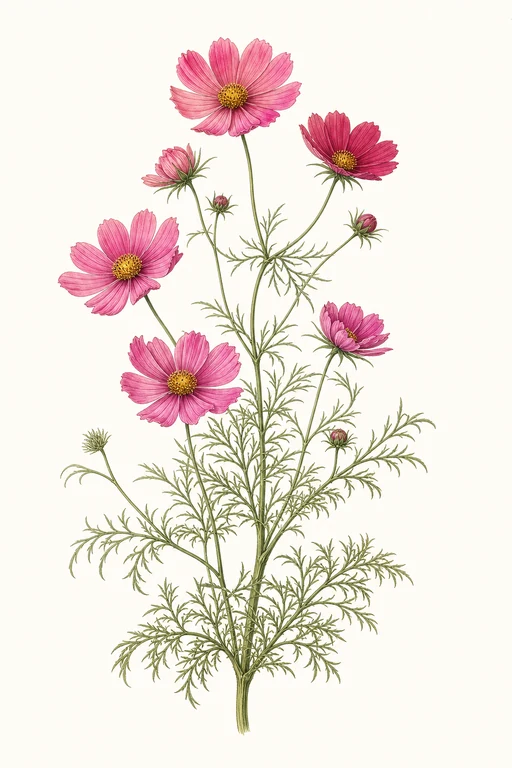
Feathery, cloudlike blooms open in a vivid wash of color—silky petals with a crisp, satiny sheen that catches the light from every angle.
Cosmos ‘Cosmos’ forms airy, upright stems topped with long-lasting flowers, offering a delicate crunch of texture in the garden and a graceful presence in arrangements. Grow it for abundant cut-flower color and effortless massing in beds and borders, where its airy foliage makes every planting feel light and luminous.
Light: Full SunMaturity: 60 DaysHabit: Upright
Location not set yet
Location not set yet
Enter your ZIP for local crop dates
Cosmos Planting Dates by USDA Zone
Estimated US hardiness-zone windows for sow, transplant, and harvest. Enter a US ZIP above for exact local dates, or open a zone below.
| Zone | Start Indoors | Sow / Transplant | Harvest |
|---|---|---|---|
| Zone 1a | Protected Environment Only | ||
| Zone 1b | May 11th | Jun 1st | Jul 31st – Aug 1st |
| Zone 2a | May 4th | May 25th | Jul 24th – Aug 29th |
| Zone 2b | Apr 24th | May 15th | Jul 14th – Aug 25th |
| Zone 3a | Apr 24th | May 15th | Jul 14th – Sep 1st |
| Zone 3b | Apr 28th | May 19th | Jul 18th – Sep 21st |
| Zone 4a | Apr 24th | May 15th | Jul 14th – Sep 24th |
| Zone 4b | Apr 22nd | May 13th | Jul 12th – Sep 27th |
| Zone 5a | Apr 17th | May 8th | Jul 7th – Sep 30th |
| Zone 5b | Apr 13th | May 4th | Jul 3rd – Oct 5th |
| Zone 6a | Apr 10th | May 1st | Jun 30th – Oct 10th |
| Zone 6b | Apr 4th | Apr 25th | Jun 24th – Oct 16th |
| Zone 7a | Mar 30th | Apr 20th | Jun 19th – Oct 20th |
| Zone 7b | Mar 20th | Apr 10th | Jun 9th – Oct 28th |
| Zone 8a | Mar 11th | Apr 1st | May 31st – Nov 5th |
| Zone 8b | Mar 2nd | Mar 23rd | May 22nd – Nov 12th |
| Zone 9a | Feb 13th | Mar 6th | May 5th – Nov 26th |
| Zone 9b | Jan 19th | Feb 9th | Apr 10th – Dec 9th |
| Zone 10a | — | Oct 1st | Nov 30th – Feb 28th |
| Zone 10b | — | Oct 1st | Nov 30th – Feb 28th |
| Zone 11a | — | Oct 1st | Nov 30th – Feb 28th |
| Zone 11b | — | Oct 1st | Nov 30th – Feb 28th |
| Zone 12a | — | Oct 1st | Nov 30th – Feb 28th |
| Zone 12b | — | Oct 1st | Nov 30th – Feb 28th |
| Zone 13a | — | Oct 1st | Nov 30th – Feb 28th |
| Zone 13b | — | Oct 1st | Nov 30th – Feb 28th |
Crop Details
| Trait | Value |
|---|---|
| Days to Maturity | 60 |
| Sun Requirements | Full Sun |
| Growth Habit | Upright |
| Support Needed | None |
| Planting Depth | Normal |
| Germination Temp (°F) | 75 |
| Min Soil Temp (°F) | 60 |
| Min Night Temp (°F) | 50 |
| Harden Off (days) | 7 |
Culinary Notes

Chef's Note
Cosmos petals read as airy and lightly sweet, with a crisp snap that makes them worth using fresh rather than cooking down. Treat them like an herb salad leaf—add at the last second so the petals stay satiny and crunchy on the plate.

Best Uses
- as a finishing salad topper where they stay satiny and don’t mash
- chilled drinks garnish (tea, spritz, or lemonade) for a clean floral note
- tiny petals folded into soft cheeses or yogurt for texture contrast
- crunchy plating element on tacos, rice bowls, or crudo-style seafood

Flavor Profile

Kitchen Pairings
Frequently Asked Questions
What pest or disease commonly affects Cosmos bipinnatus, and how can I control it at home?
How often should I water Cosmos bipinnatus during the main growing phase (after seedlings establish)?
How do I know when Cosmos bipinnatus is ready to harvest?
Sowing Tips

Transplant Conditions
Wait until soil reaches 60°F and nights stay above 50°F before moving outdoors. Harden off for 7 days first.
Expert Note

For earlier blooms, start cosmos indoors in plug trays, then transplant only once nights are consistently mild (and expect it to be happier with direct sow in warm areas).