
Curled Chervil
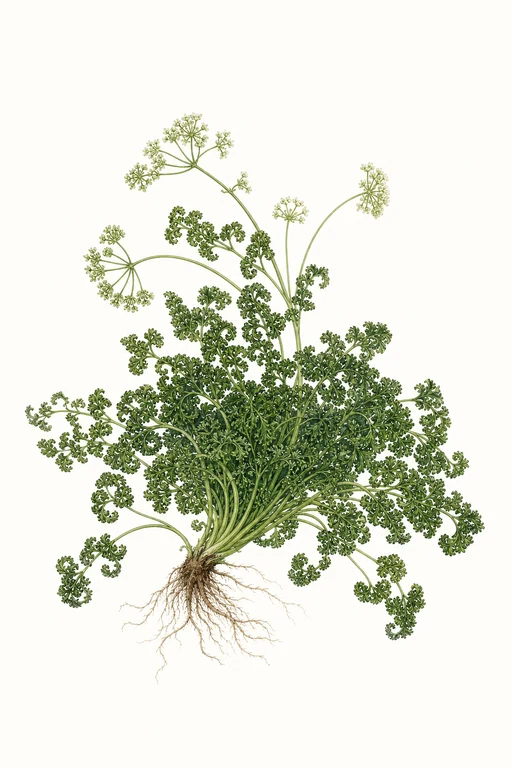
Delicately fragrant and feather-light, Curled Chervil unfurls into lacy, tightly curled fronds that perfume the air with a fresh, anise-gentle sweetness.
Its tender leaves are crisp and springy, offering a vibrant green lift that shines in quick, flavorful preparations. Grow it for abundant, cut-and-come-again harvests that elevate fresh garnishes, herb blends, and silky sauces with its unmistakably aromatic character.
Light: Part SunMaturity: 45 DaysHabit: Upright
Planting schedules and alerts are optimized for Columbus (Zone 6b).
Crop Dates
| Milestone | Date |
|---|---|
| Start Indoors | Direct Sow |
| Last Frost | Apr 25th |
| Transplant / Sow Outdoors | Apr 25th |
| Harvest Begins | Jun 9th |
| Harvest Ends | Oct 16th |
Crop Details
| Trait | Value |
|---|---|
| Days to Maturity | 45 |
| Sun Requirements | Part Sun |
| Growth Habit | Upright |
| Support Needed | None |
| Planting Depth | Surface |
| Germination Temp (°F) | 70 |
| Min Soil Temp (°F) | 40 |
| Min Night Temp (°F) | 35 |
| Harden Off (days) | Not Required |
Culinary Notes

Chef's Note
Curled Chervil is all about the perfume—its mild anise and bright, cooling lift vanish if you cook it too long. Treat it like a finishing herb: fold in off-heat so the fronds stay crisp-springy and aromatic on the tongue.

Best Uses
- finely chiffonade as a last-minute garnish for soups and braises
- fold into soft egg dishes (scrambles, omelets, deviled eggs) off-heat
- blend into herb butter and drizzle over warm fish
- stir into quick pan sauces (butter-lemon or cream) at the very end

Flavor Profile

Frequently Asked Questions
What pest or disease commonly affects Anthriscus cerefolium (curled chervil), and how do I control it?
How often should I water curled chervil during the main growing phase?
How can I tell when curled chervil is ready to harvest?
Sowing Tips

Transplant Conditions
Wait until soil reaches 40°F and nights stay above 35°F before moving outdoors.
Expert Note

For the best frilly leaves and mild anise flavor, sow thinly in cool weather and keep the soil evenly moist to prevent bolting.