
Dancer
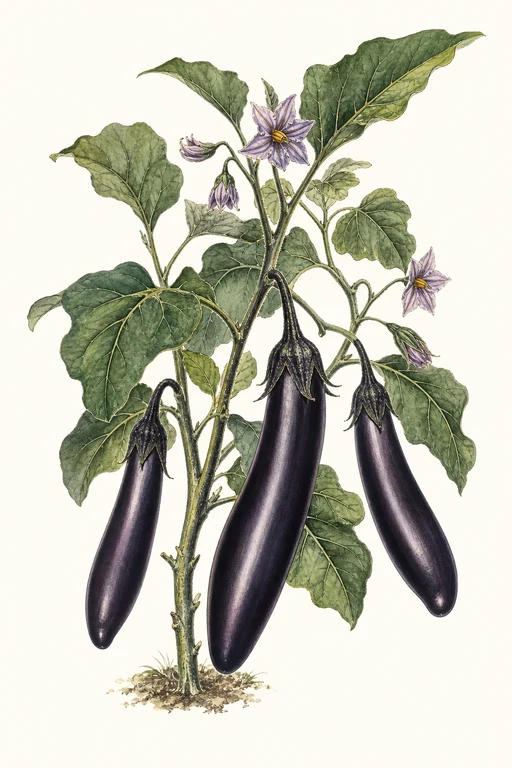
Sink into the velvety, inky allure of Dancer Italian eggplant—its glossy, deep-purple fruit holds a tender, creamy interior with a pleasantly mild, savory flavor.
At maturity, the plants produce smooth, elongated eggplants that feel satisfyingly substantial yet stay refined in texture, ideal for home favorites like roasting and grilling, as well as hearty sauces and savory preserves. Grow Dancer for a season of elegant harvests: sleek skins, lush foliage, and a dependable rhythm from first set to full bounty.
Light: Full SunMaturity: 75 DaysHabit: Upright
Planting schedules and alerts are optimized for Columbus (Zone 6b).
Crop Dates
| Milestone | Date |
|---|---|
| Start Indoors | Mar 7th |
| Last Frost | Apr 25th |
| Transplant / Sow Outdoors | Jun 20th |
| Harvest Begins | Sep 3rd |
| Harvest Ends | Oct 16th |
Crop Details
| Trait | Value |
|---|---|
| Days to Maturity | 75 |
| Sun Requirements | Full Sun |
| Growth Habit | Upright |
| Support Needed | Stake |
| Planting Depth | Normal |
| Germination Temp (°F) | 80 |
| Min Soil Temp (°F) | 60 |
| Min Night Temp (°F) | 50 |
| Harden Off (days) | 10 |
Culinary Notes

Chef's Note
Dancer eggplant is an Italian-style workhorse: creamy, tender flesh that goes silky without needing much help, while the deep-purple skin roasts into a pleasantly yielding bite. Its mild, savory profile welcomes sharp acids (tomato, vinegar) and salty finishes (parmesan) without getting lost.

Best Uses
- high-heat roasting or grilling until the flesh collapses into creamy strands
- quick pan-sauté with minimal oil, then finish with a glossy sauce so it doesn’t dry out
- thick, spoonable eggplant ragu or smoky tomato-eggplant stew
- briny-salty eggplant preserves or caponata-style slow-cook

Flavor Profile

Frequently Asked Questions
What is a common pest or disease for Solanum melongena (eggplant) and how do I control it?
How often should I water Solanum melongena during the main growing phase?
How can I tell when eggplant (Solanum melongena) is ready to harvest?
Sowing Tips

Transplant Conditions
Wait until soil reaches 60°F and nights stay above 50°F before moving outdoors. Harden off for 10 days first.
Expert Note

Start eggplant early, keep seedlings warm, and transplant only when soil is reliably 60°F+ to avoid stunting.