
Darkibor
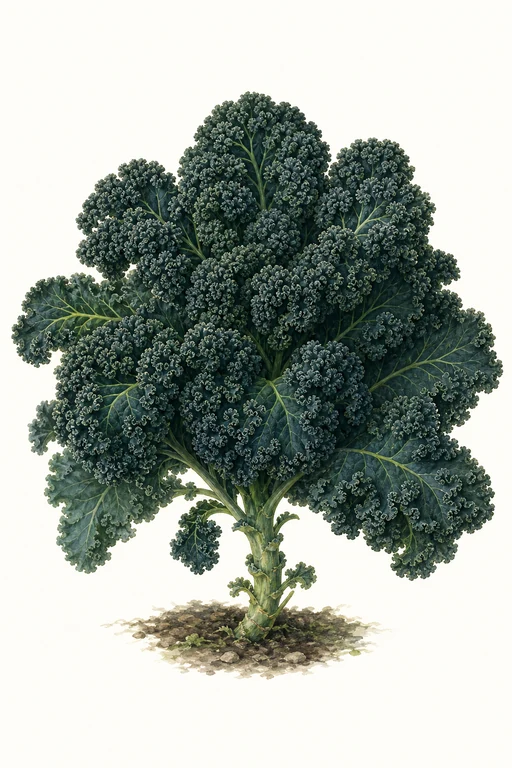
Sink your senses into Darkibor’s richly colored, deeply curled leaves—an inky, blue-green tapestry that feels substantial at first touch and unfolds into a tender, sweet bite.
With its tight, springy rosettes and pronounced frill, this curly kale holds its texture beautifully through cool weather, making it a standout for bold, flavorful greens. Grow Darkibor for abundant harvests that shine in fresh salads and shine even more when simmered into hearty greens, sauces, and savory spreads.
Light: Full SunMaturity: 55 DaysHabit: Rosette
Planting schedules and alerts are optimized for Columbus (Zone 6b).
Crop Dates
| Milestone | Date |
|---|---|
| Start Indoors | Mar 28th |
| Last Frost | Apr 25th |
| Transplant / Sow Outdoors | Apr 18th |
| Harvest Begins | Jun 12th |
| Harvest Ends | Oct 16th |
Crop Details
| Trait | Value |
|---|---|
| Days to Maturity | 55 |
| Sun Requirements | Full Sun |
| Growth Habit | Rosette |
| Support Needed | None |
| Planting Depth | Normal |
| Germination Temp (°F) | 40 |
| Min Soil Temp (°F) | 40 |
| Min Night Temp (°F) | 32 |
| Harden Off (days) | 6 |
Culinary Notes

Chef's Note
Darkibor’s tightly curled leaves bring a structured chew that doesn’t collapse the way some curly kales do, and the cool-weather sweetness shows up right after the first bitter hit. Use oil and acid to tame the peppery edges—then let it braise or reduce until the frills go tender without turning to mush.

Best Uses
- massaged raw salads where the leaves stay springy
- blistered or sautéed greens with a quick acidic finish
- braised or simmered kale in hearty soups and bean pots
- puréed into thick, stable green sauces and savory spreads

Flavor Profile

Kitchen Pairings
Frequently Asked Questions
What pest or disease is most likely to hit Brassica oleracea var. viridis (Darkibor), and how can I control it?
How often should I water Darkibor during the main growing phase?
How do I tell when Darkibor is ready to harvest (55 days)?
Sowing Tips

Transplant Conditions
Wait until soil reaches 40°F and nights stay above 32°F before moving outdoors. Harden off for 6 days first.
Expert Note

For Darkibor’s best flavor, keep plants consistently cool and harvest outer leaves first to encourage a steady flow through fall and into winter.