
De Louviers
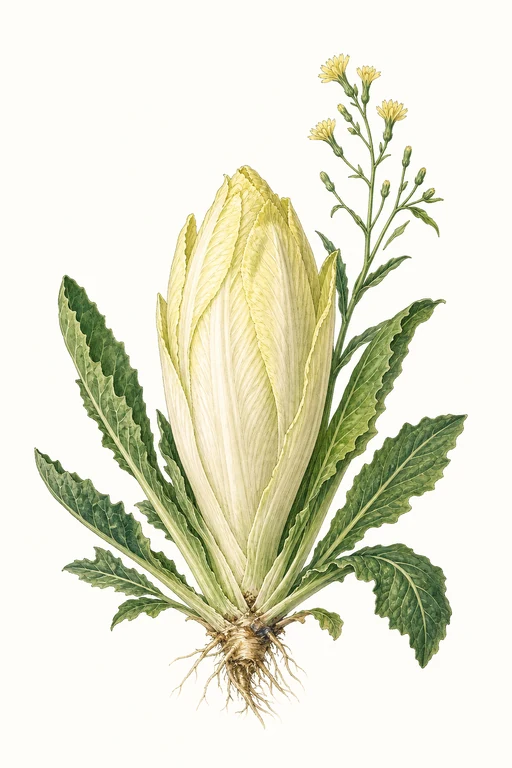
Silky, tightly layered heads of De Louviers unfold into a cool, crisp sweetness with a gentle bitterness that lingers like fine herbs on the palate.
The texture is notably tender and snappy, forming a compact, elegant rosette that holds its shape at maturity. Grow De Louviers for fresh, refined salads and for elegant braising-style preparations where its delicate crunch and mellow flavor shine.
Light: Part SunMaturity: 75 DaysHabit: Rosette
Planting schedules and alerts are optimized for Columbus (Zone 6b).
Crop Dates
| Milestone | Date |
|---|---|
| Start Indoors | Mar 28th |
| Last Frost | Apr 25th |
| Transplant / Sow Outdoors | Apr 25th |
| Harvest Begins | Jul 9th |
| Harvest Ends | Oct 16th |
Crop Details
| Trait | Value |
|---|---|
| Days to Maturity | 75 |
| Sun Requirements | Part Sun |
| Growth Habit | Rosette |
| Support Needed | None |
| Planting Depth | Normal |
| Germination Temp (°F) | 65 |
| Min Soil Temp (°F) | 40 |
| Min Night Temp (°F) | 32 |
| Harden Off (days) | 6 |
Culinary Notes

Chef's Note
De Louviers’ tightly layered leaves stay crisp and elegant, so it’s built for dishes where you want bitterness that behaves—gentle, not harsh—and a texture that doesn’t collapse. Treat it like a fine lettuce: keep the heat brief and the dressing warm-to-coating so the rosette stays snappy through every bite.

Best Uses
- shaved or segmented raw salads that keep a clean snap under vinaigrette
- quick wilted “braise”/pan-steam in butter so the layers soften without going mushy
- grilled or roasted endive halves for browned edges and caramel-leaning bitterness
- dressed with warm, emulsified fats (bacon fat or browned butter) to round the finish

Flavor Profile

Kitchen Pairings
Frequently Asked Questions
What pest or disease most commonly affects Cichorium endivia (De Louviers), and how do I prevent it?
How often should I water De Louviers during the main growing phase, and what soil moisture level should I aim for?
How can I tell when De Louviers (Cichorium endivia) is ready to harvest?
Sowing Tips

Transplant Conditions
Wait until soil reaches 40°F and nights stay above 32°F before moving outdoors. Harden off for 6 days first.
Expert Note

For crisp, tender frilly leaves, keep plants evenly moist and use blanching (or exclude light) when heads are well formed to reduce bitterness.