
Di Cicco
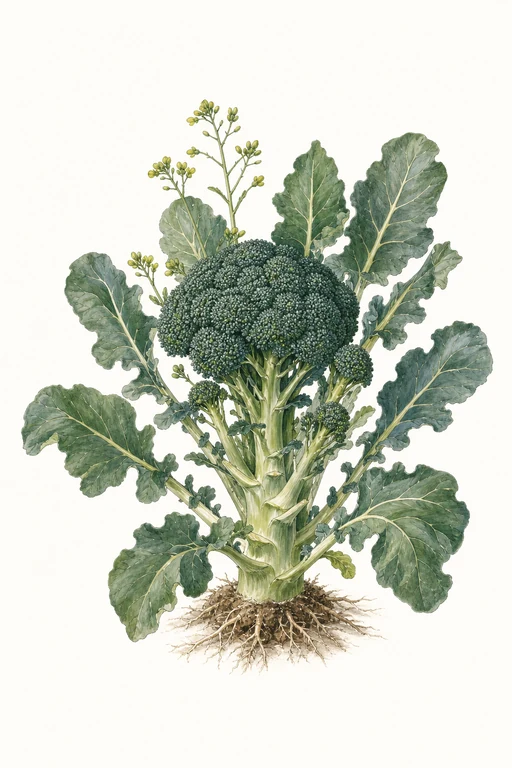
Velvety, blue-green florets of Di Cicco open with a dense, finely textured crown and a pleasantly sweet, green flavor that lingers on the palate.
The heads hold their shape beautifully, with crisp, tender bite and a steady supply of side shoots for extended harvest—ideal for gardeners who love to keep picking. Grow Di Cicco for reliable performance and a standout presence in the garden, from first main head to abundant follow-on blooms.
Light: Full SunMaturity: 55 DaysHabit: Rosette
Location not set yet
Location not set yet
Enter your ZIP for local crop dates
Di Cicco Planting Dates by USDA Zone
Estimated US hardiness-zone windows for sow, transplant, and harvest. Enter a US ZIP above for exact local dates, or open a zone below.
| Zone | Start Indoors | Sow / Transplant | Harvest |
|---|---|---|---|
| Zone 1a | Protected Environment Only | ||
| Zone 1b | May 4th | May 25th | Jul 19th – Aug 1st |
| Zone 2a | Apr 27th | May 18th | Jul 12th – Aug 29th |
| Zone 2b | Apr 17th | May 8th | Jul 2nd – Aug 25th |
| Zone 3a | Apr 17th | May 8th | Jul 2nd – Sep 1st |
| Zone 3b | Apr 21st | May 12th | Jul 6th – Sep 21st |
| Zone 4a | Apr 17th | May 8th | Jul 2nd – Sep 24th |
| Zone 4b | Apr 15th | May 6th | Jun 30th – Sep 27th |
| Zone 5a | Apr 10th | May 1st | Jun 25th – Sep 30th |
| Zone 5b | Apr 6th | Apr 27th | Jun 21st – Oct 5th |
| Zone 6a | Apr 3rd | Apr 24th | Jun 18th – Oct 10th |
| Zone 6b | Mar 28th | Apr 18th | Jun 12th – Oct 16th |
| Zone 7a | Mar 23rd | Apr 13th | Jun 7th – Oct 20th |
| Zone 7b | Mar 13th | Apr 3rd | May 28th – Oct 28th |
| Zone 8a | Mar 4th | Mar 25th | May 19th – Nov 5th |
| Zone 8b | Feb 23rd | Mar 16th | May 10th – Nov 12th |
| Zone 9a | Feb 6th | Feb 27th | Apr 23rd – Nov 26th |
| Zone 9b | Jan 12th | Feb 2nd | Mar 29th – Dec 9th |
| Zone 10a | — | Oct 1st | Nov 25th – Feb 28th |
| Zone 10b | — | Oct 1st | Nov 25th – Feb 28th |
| Zone 11a | — | Oct 1st | Nov 25th – Feb 28th |
| Zone 11b | — | Oct 1st | Nov 25th – Feb 28th |
| Zone 12a | — | Oct 1st | Nov 25th – Feb 28th |
| Zone 12b | — | Oct 1st | Nov 25th – Feb 28th |
| Zone 13a | — | Oct 1st | Nov 25th – Feb 28th |
| Zone 13b | — | Oct 1st | Nov 25th – Feb 28th |
Crop Details
| Trait | Value |
|---|---|
| Days to Maturity | 55 |
| Sun Requirements | Full Sun |
| Growth Habit | Rosette |
| Support Needed | None |
| Planting Depth | Normal |
| Germination Temp (°F) | 45 |
| Min Soil Temp (°F) | 45 |
| Min Night Temp (°F) | 35 |
| Harden Off (days) | 6 |
Culinary Notes

Chef's Note
Di Cicco’s densely fine florets turn silky under heat but keep a crisp-tender bite, so you don’t need heavy sauces to make it satisfying. The sweet, green linger begs for sharp lemon and fat—think butter or Parmesan—so it tastes lively instead of sulfurous.

Best Uses
- hot-plate sear or roast where the florets blister and stay tender
- quick steam then finish with browned butter and lemon for a clean, sweet edge
- stir-fry with high heat to keep the bite snappy
- grind or chop for broccoli ‘rice’ or a thick, creamy puree

Flavor Profile

Kitchen Pairings
Frequently Asked Questions
What common disease or pest should I watch for on Brassica oleracea var. italica (Di Cicco broccoli) and how do I manage it?
How often should I water Di Cicco broccoli during the main growing phase?
How can I tell when Di Cicco broccoli is ready to harvest?
Sowing Tips

Transplant Conditions
Wait until soil reaches 45°F and nights stay above 35°F before moving outdoors. Harden off for 6 days first.
Expert Note

For Di Cicco’s continuous side-shoot harvest, keep soil evenly moist and harvest small heads frequently to trigger new lateral growth.