
Dinner Bells
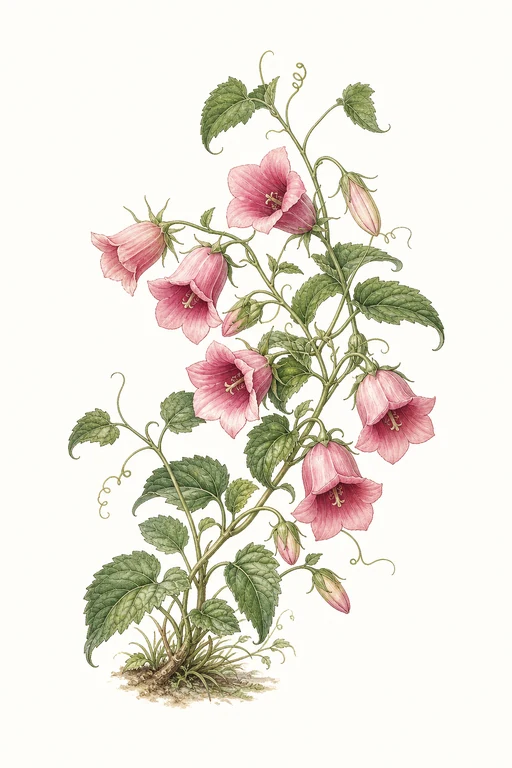
A cascade of bell-shaped blooms brings a sweet, lingering fragrance and a vivid, lantern-like glow to the garden—Dinner Bells is made for the senses.
At maturity, the flowers hold their shape with a graceful, slightly flared silhouette and a velvety, petal-rich presence that looks as lush as it feels. Grow it for standout seasonal color in beds and borders, where its showy bloom rhythm becomes the centerpiece of your landscape display.
Light: Full SunMaturity: 70 DaysHabit: Upright
Planting schedules and alerts are optimized for Columbus (Zone 6b).
Crop Dates
| Milestone | Date |
|---|---|
| Start Indoors | Mar 14th |
| Last Frost | Apr 25th |
| Transplant / Sow Outdoors | Jun 6th |
| Harvest Begins | Aug 15th |
| Harvest Ends | Oct 16th |
Crop Details
| Trait | Value |
|---|---|
| Days to Maturity | 70 |
| Sun Requirements | Full Sun |
| Growth Habit | Upright |
| Support Needed | None |
| Planting Depth | Normal |
| Germination Temp (°F) | 65 |
| Min Soil Temp (°F) | 60 |
| Min Night Temp (°F) | 50 |
| Harden Off (days) | 10 |
Culinary Notes

Chef's Note
Ornamental bellflowers can be pretty in the garden, but Dinner Bells (bell-shaped, petal-rich) earns a place on the plate when used like a perfume—quickly, lightly, and as a finish. Keep them short-steeped or candied so their sweet aroma stays intact rather than going bitter or losing its shape.

Best Uses
- snackable candied petals for cocktails and desserts
- briefly steeped floral syrup for panna cotta or yogurt
- tea infusion for a light, scented cup
- use as a garnish on fresh fruit and citrusy salads

Flavor Profile

Kitchen Pairings
Frequently Asked Questions
What’s a common pest/disease problem for “Dinner Bells,” and how do I treat it at home?
How often should I water Dinner Bells during its main growing phase (around weeks 3–10)?
How can I tell when Dinner Bells is ready to harvest (around day ~70)?
Sowing Tips

Transplant Conditions
Wait until soil reaches 60°F and nights stay above 50°F before moving outdoors. Harden off for 10 days first.
Expert Note

For best bloom establishment, start indoors only if you can provide strong light and then transplant after nighttime temperatures are reliably mild.