
Dinosaur Gourd
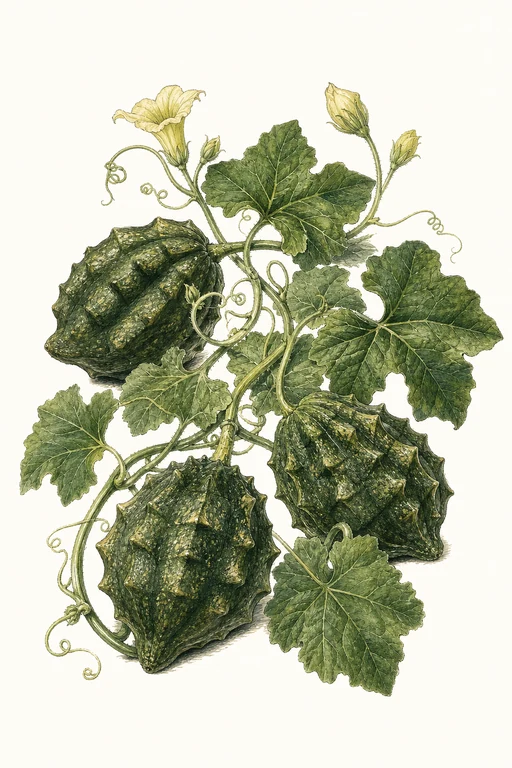
Sink your senses into Dinosaur Gourd’s dramatic, prehistoric silhouette—its thick, ridged form and deeply colored skin feel almost sculpted in the garden.
The flesh is firm and substantial with a pleasantly mellow, gourd-like sweetness, making it ideal for hearty, slow-roasting applications and for creating rich, spoonable sauces. Grow it for statement harvests that store well and bring bold character to autumn tables and pantry projects.
Light: Full SunMaturity: 110 DaysHabit: Vine
Planting schedules and alerts are optimized for Columbus (Zone 6b).
Crop Dates
| Milestone | Date |
|---|---|
| Start Indoors | Apr 25th |
| Last Frost | Apr 25th |
| Transplant / Sow Outdoors | May 9th |
| Harvest Begins | Aug 27th |
| Harvest Ends | Oct 16th |
Crop Details
| Trait | Value |
|---|---|
| Days to Maturity | 110 |
| Sun Requirements | Full Sun |
| Growth Habit | Vine |
| Support Needed | Trellis |
| Planting Depth | Normal |
| Germination Temp (°F) | 70 |
| Min Soil Temp (°F) | 65 |
| Min Night Temp (°F) | 55 |
| Harden Off (days) | 12 |
Culinary Notes

Chef's Note
Dinosaur Gourd’s thick, ridged flesh roasts down into a dense, spoonable consistency—ideal when you want body, not brothiness. Its mellow sweetness plays best with sharp acid and savory aromatics, so it doesn’t end up tasting like dessert on the plate.

Best Uses
- slow-roasting into caramel-browned wedges that hold their shape
- blending into a thick, spoonable purée or reduction without turning watery
- roasting then cubing for hearty soups and grain bowls
- pan-roasting pieces for a firmer, bitey texture before seasoning

Flavor Profile

Kitchen Pairings
Frequently Asked Questions
What’s the most common disease problem for Lagenaria siceraria (dinosaur gourd), and how can I control it?
How often should I water dinosaur gourd during the main growing phase, and what soil moisture level should I aim for?
How can I tell when Lagenaria siceraria (dinosaur gourd) is ready to harvest?
Sowing Tips

Transplant Conditions
Wait until soil reaches 65°F and nights stay above 55°F before moving outdoors. Harden off for 12 days first.

Direct Sow Preferred
Sensitive roots — does not transplant well. If starting indoors, use biodegradable pots and disturb roots as little as possible when moving outdoors.
Expert Note

For thick-shelled bottle/gourd types, soak seeds 8–12 hours and transplant only after soil is truly warm and nights stay mild to prevent stalling.