
Dixie Butterpea
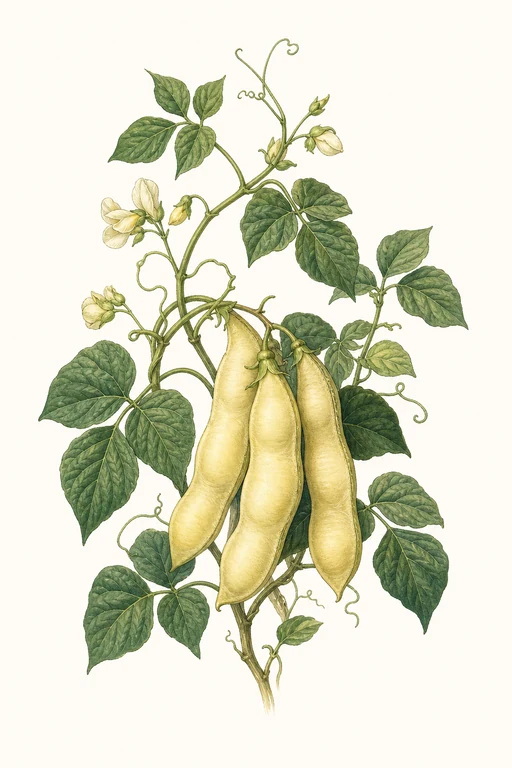
Velvety, buttery-sweet pods give way to large, creamy lima beans with a rich, mellow flavor that feels like sunshine on the palate.
Dixie Butterpea’s tender, meaty texture holds its shape beautifully, making it a standout for comforting bean dishes, silky purees, and hearty soups—plus it’s wonderful for fresh-shelling when you want that just-picked creaminess. Grow it for a dependable 95-day rhythm and a harvest that tastes as good as it looks.
Light: Full SunMaturity: 95 DaysHabit: Bush
Planting schedules and alerts are optimized for Columbus (Zone 6b).
Crop Dates
| Milestone | Date |
|---|---|
| Start Indoors | Direct Sow |
| Last Frost | Apr 25th |
| Transplant / Sow Outdoors | Apr 25th |
| Harvest Begins | Jul 29th |
| Harvest Ends | Oct 16th |
Crop Details
| Trait | Value |
|---|---|
| Days to Maturity | 95 |
| Sun Requirements | Full Sun |
| Growth Habit | Bush |
| Support Needed | None |
| Planting Depth | Normal |
| Germination Temp (°F) | 75 |
| Min Soil Temp (°F) | 65 |
| Min Night Temp (°F) | 50 |
| Harden Off (days) | Not Required |
Culinary Notes

Chef's Note
Dixie Butterpea leans into that fresh, buttery lima character—meaty enough not to collapse, creamy enough to puree into velvet. Use it in dishes where you want the beans to stay spoon-worthy (not grainy) and let butter, stock, and aromatics do the heavy lifting.

Best Uses
- fresh-shelling and boiling until just creamy, then finishing with salt and butter
- silky lima-bean purée (blend smooth, then loosen with hot stock)
- hearty soups/stews where the beans stay intact
- baked or braised bean dishes with a thick, spoonable sauce

Flavor Profile

Kitchen Pairings
Frequently Asked Questions
What’s the most common pest or disease for Phaseolus lunatus (Dixie butterpea), and how do I manage it?
How often should I water Dixie butterpea during the main growing phase?
How can I tell when Dixie butterpea is ready to harvest?
Sowing Tips

Transplant Conditions
Wait until soil reaches 65°F and nights stay above 50°F before moving outdoors.
Expert Note

Direct-sow after frost danger when soil is warm, and keep seed depth consistent for uniform emergence since butterpeas are best grown from seed.