
Dolly
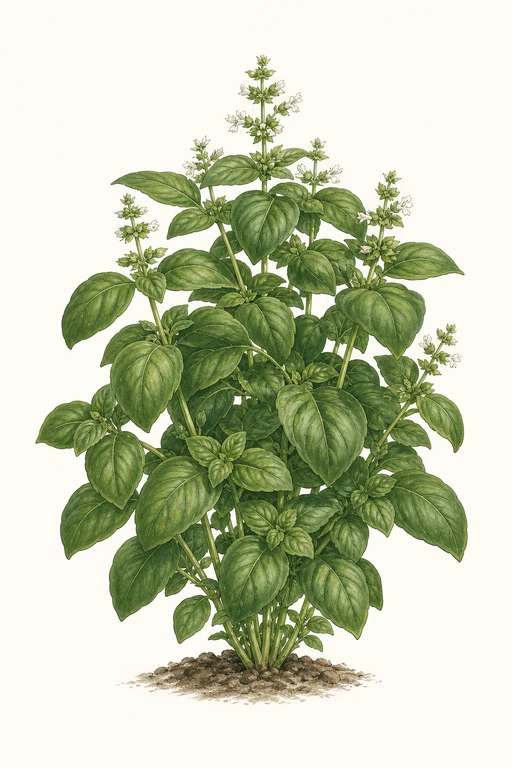
Bask in Dolly’s lush, velvety leaves—an aromatic rush of sweet, bright basil that feels almost floral as you brush past the plant.
The foliage forms a dense, upright mound with tender, medium-to-large leaves that stay flavorful and fragrant at harvest, making it a standout for fresh use and vibrant flavoring. Grow Dolly for spoonfuls of green freshness in salads and finishing touches, and for fragrant pesto and herb-forward sauces that shine with its sweet basil character.
Light: Full SunMaturity: 40 DaysHabit: Upright
Planting schedules and alerts are optimized for Columbus (Zone 6b).
Crop Dates
| Milestone | Date |
|---|---|
| Start Indoors | Apr 4th |
| Last Frost | Apr 25th |
| Transplant / Sow Outdoors | Jun 6th |
| Harvest Begins | Jul 16th |
| Harvest Ends | Oct 16th |
Crop Details
| Trait | Value |
|---|---|
| Days to Maturity | 40 |
| Sun Requirements | Full Sun |
| Growth Habit | Upright |
| Support Needed | None |
| Planting Depth | Normal |
| Germination Temp (°F) | 70 |
| Min Soil Temp (°F) | 60 |
| Min Night Temp (°F) | 50 |
| Harden Off (days) | 10 |
Culinary Notes

Chef's Note
Dolly sweet basil brings a lush, velvety leaf and a more floral-leaning sweetness, so it really reads as fresh—treat it like a finisher as much as an ingredient. Chop or blitz briefly: you want fragrant green oils, not a cooked, bruised taste.

Best Uses
- torn-leaf salads and quick dressings where the leaves stay plush
- blended pesto that leans glossy and sweet rather than sharp
- finishing herb for hot pasta, beans, and grilled vegetables at the last moment
- herb-forward sauces (quick blitz with olive oil, lemon, and salt)

Flavor Profile

Kitchen Pairings
Frequently Asked Questions
What pest or disease problem most commonly affects Ocimum basilicum (basil), and how do I control it?
How often should I water Ocimum basilicum during active growth to keep it thriving?
How can I tell when Ocimum basilicum is ready to harvest?
Sowing Tips

Transplant Conditions
Wait until soil reaches 60°F and nights stay above 50°F before moving outdoors. Harden off for 10 days first.
Expert Note

Grow basil warm and steady—once nighttime temps are reliably above 50°F and soil is settled, transplant and keep evenly moist to maximize tender-leaf yield.