
Dreadlocks
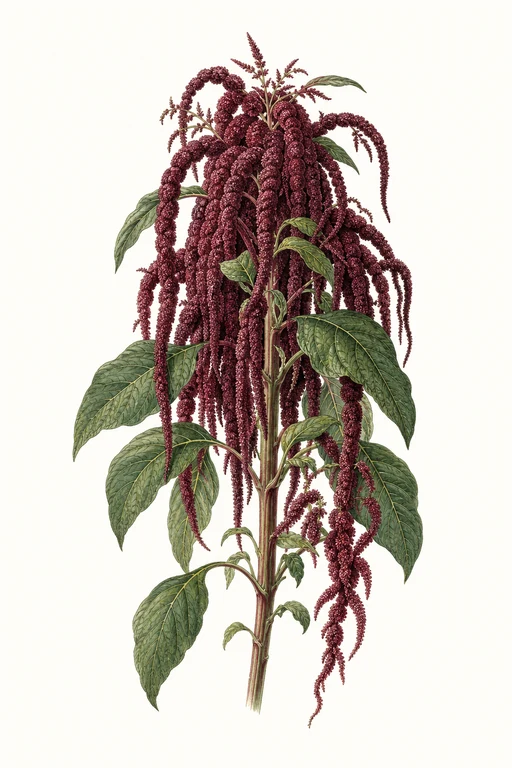
Dreadlocks amaranth delivers a dramatic, velvet-soft cascade of grain heads that unfurl in bold, jewel-toned plumes—rich, earthy, and pleasantly nutty in character.
The mature seed clusters are dense and resilient, with a satisfying, slightly chewy bite when used as a hearty staple, and the tender young foliage offers a mild, green sweetness for fresh use. Grow it for its show-stopping form in the garden and its versatile, grain-like performance in everyday pantry favorites.
Light: Full SunMaturity: 90 DaysHabit: Upright
Planting schedules and alerts are optimized for Columbus (Zone 6b).
Crop Dates
| Milestone | Date |
|---|---|
| Start Indoors | Direct Sow |
| Last Frost | Apr 25th |
| Transplant / Sow Outdoors | Apr 25th |
| Harvest Begins | Jul 24th |
| Harvest Ends | Oct 16th |
Crop Details
| Trait | Value |
|---|---|
| Days to Maturity | 90 |
| Sun Requirements | Full Sun |
| Growth Habit | Upright |
| Support Needed | None |
| Planting Depth | Normal |
| Germination Temp (°F) | 70 |
| Min Soil Temp (°F) | 65 |
| Min Night Temp (°F) | 50 |
| Harden Off (days) | Not Required |
Culinary Notes

Chef's Note
Dreadlocks amaranth gives you that chewy, resilient seed texture with an earthy-nutty core—think grain that doesn’t turn mushy. The tender foliage is for the job when you want a mild green sweetness that stays fresh under a simple dressing.

Best Uses
- cook the mature seed clusters like a hearty, chew-forward grain (pilaf or porridge)
- add cooked seeds to warm salads where you want a resilient texture
- use young foliage raw or lightly dressed for a gentle green lift
- toast seeds briefly, then fold into buttered grains or grain bowls for a roasty finish

Flavor Profile

Kitchen Pairings
Frequently Asked Questions
What pest or disease is most common on Amaranthus cruentus (dreadlocks), and what should I do if I see it?
How often should I water Amaranthus cruentus during its main growing phase?
When are dreadlocks (Amaranthus cruentus) ready to harvest?
Sowing Tips

Transplant Conditions
Wait until soil reaches 65°F and nights stay above 50°F before moving outdoors.
Expert Note

Sow outdoors after danger of frost and keep the surface lightly moist until emergence; thin to avoid legginess so the long, rope-like clusters carry their weight.