
Duganski
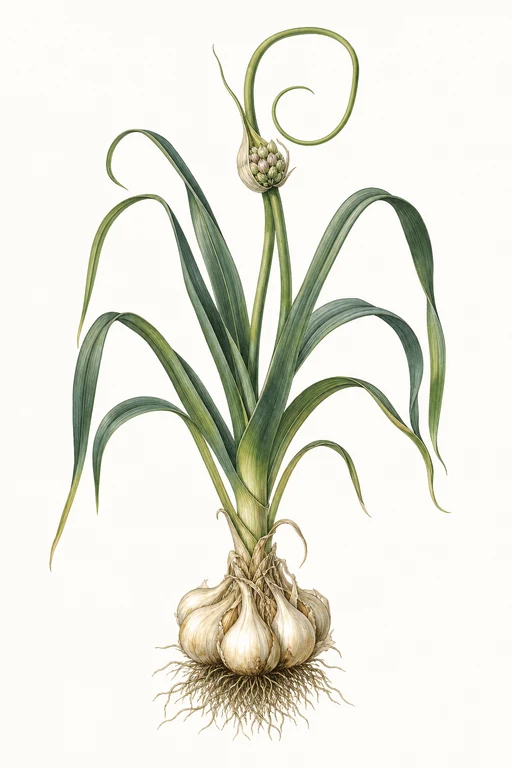
Aromatic and richly pungent, Duganski hardneck garlic forms bold, flavorful bulbs with a satisfyingly firm bite and a creamy, clove-by-clove texture when peeled.
Expect deep, savory intensity that shines in roasted preparations and robust sauces, while its classic hardneck character makes it a standout for gardeners who love dependable, harvest-ready bulbs. Grow Duganski for a harvest that feels substantial in the hand and tastes unmistakably alive—garlic with presence.
Light: Full SunMaturity: 240 DaysHabit: Upright
Location not set yet
Location not set yet
Enter your ZIP for local crop dates
Duganski Planting Dates by USDA Zone
Estimated US hardiness-zone windows for sow, transplant, and harvest. Enter a US ZIP above for exact local dates, or open a zone below.
| Zone | Start Indoors | Sow / Transplant | Harvest |
|---|---|---|---|
| Zone 1a | Protected Environment Only | ||
| Zone 1b | Protected Environment Only | ||
| Zone 2a | Protected Environment Only | ||
| Zone 2b | Protected Environment Only | ||
| Zone 3a | Protected Environment Only | ||
| Zone 3b | Protected Environment Only | ||
| Zone 4a | Protected Environment Only | ||
| Zone 4b | Protected Environment Only | ||
| Zone 5a | Protected Environment Only | ||
| Zone 5b | Protected Environment Only | ||
| Zone 6a | Protected Environment Only | ||
| Zone 6b | Protected Environment Only | ||
| Zone 7a | Protected Environment Only | ||
| Zone 7b | Protected Environment Only | ||
| Zone 8a | Protected Environment Only | ||
| Zone 8b | Protected Environment Only | ||
| Zone 9a | Direct Sow | Dec 26th | Aug 23rd – Nov 26th |
| Zone 9b | Direct Sow | Dec 1st | Jul 29th – Dec 9th |
| Zone 10a | — | Oct 1st | Feb 28th – Feb 28th |
| Zone 10b | — | Oct 1st | Feb 28th – Feb 28th |
| Zone 11a | — | Oct 1st | Feb 28th – Feb 28th |
| Zone 11b | — | Oct 1st | Feb 28th – Feb 28th |
| Zone 12a | — | Oct 1st | Feb 28th – Feb 28th |
| Zone 12b | — | Oct 1st | Feb 28th – Feb 28th |
| Zone 13a | — | Oct 1st | Feb 28th – Feb 28th |
| Zone 13b | — | Oct 1st | Feb 28th – Feb 28th |
Crop Details
| Trait | Value |
|---|---|
| Days to Maturity | 240 |
| Sun Requirements | Full Sun |
| Growth Habit | Upright |
| Support Needed | None |
| Planting Depth | Normal |
| Germination Temp (°F) | 50 |
| Min Soil Temp (°F) | 45 |
| Min Night Temp (°F) | 28 |
| Harden Off (days) | Not Required |
Culinary Notes

Chef's Note
Duganski’s hardneck personality gives you a confident, punchy clove that stays structured at the heat level—then goes silky and spreadable when roasted. Use it where you want garlic to show up loudly: whole-head roasting, aggressive pan sauces, or raw slices tempered by fat and salt.

Best Uses
- roasting whole heads until the cloves turn jammy and spreadable
- quick-mashing into robust pan sauces and braises
- thin slicing raw into olive oil with salt for a bracing finish

Flavor Profile

Kitchen Pairings
Frequently Asked Questions
What pest or disease problem commonly affects Allium sativum (garlic), and how can I control it?
How often should I water Allium sativum during the main growing phase?
How do I know when Allium sativum is ready to harvest after 240 days?
Sowing Tips

Transplant Conditions
Wait until soil reaches 45°F and nights stay above 28°F before moving outdoors.
Expert Note

Plant hardneck garlic cloves in fall when soil is cooling so roots establish before winter, but the tops don’t grow much; mulch heavily for winter protection.