
Duke
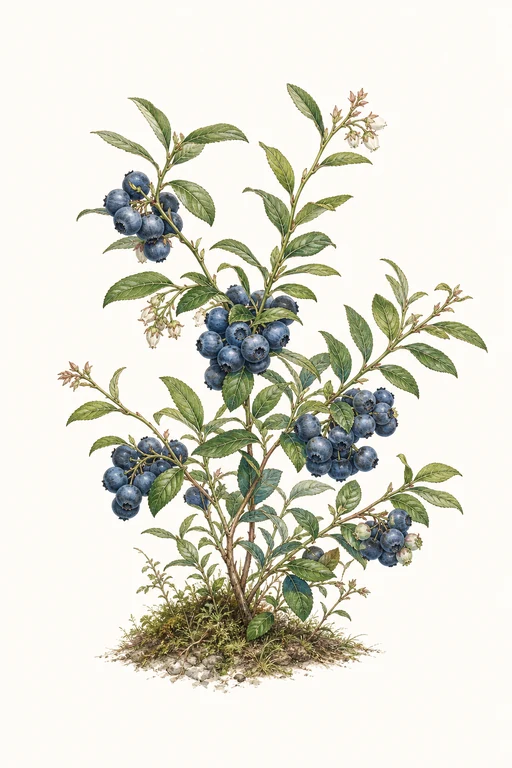
Bursting with a cool, sweet-tart perfume, Duke Blueberry delivers glossy berries in a deep twilight-blue that feel plump and juicy at first touch.
The fruit ripens with an even, garden-friendly rhythm, offering a firm, succulent texture that shines fresh and also stands beautifully in preserves and sauces. Grow Duke for a reliable, abundant harvest that turns summer into a living gallery of color and flavor.
Light: Full SunMaturity: 56 DaysHabit: Shrub
Planting schedules and alerts are optimized for Columbus (Zone 6b).
Crop Dates
| Milestone | Date |
|---|---|
| Start Indoors | Direct Sow |
| Last Frost | Apr 25th |
| Transplant / Sow Outdoors | Apr 18th |
| Harvest Begins | Jun 13th |
| Harvest Ends | Oct 16th |
Crop Details
| Trait | Value |
|---|---|
| Days to Maturity | 56 |
| Sun Requirements | Full Sun |
| Growth Habit | Shrub |
| Support Needed | None |
| Planting Depth | Normal |
| Germination Temp (°F) | 68 |
| Min Soil Temp (°F) | 40 |
| Min Night Temp (°F) | 28 |
| Harden Off (days) | Not Required |
Culinary Notes

Chef's Note
Duke’s sweet-tart snap and firm juiciness make it stay pretty even when warmed—great for compotes that spoon cleanly instead of turning watery. When you cook it down, the perfume tightens and the berry flavor concentrates, so it plays especially well with lemony acidity, vanilla, and chocolate.

Best Uses
- fresh eating and spooning over yogurt without bleeding out
- quick berry reduction for pan sauces and pancake/waffle compote
- stir-in preserves where you want intact berries rather than jammy collapse
- baking where the filling needs structure—tarts, hand pies, and crumble

Flavor Profile

Frequently Asked Questions
What pest or disease commonly affects Eruca vesicaria (arugula), and how can I manage it at home?
How often should I water arugula (Eruca vesicaria subsp. sativa) during the main growing phase?
How do I tell when Duke arugula (Eruca vesicaria subsp. sativa) is ready to harvest?
Sowing Tips

Transplant Conditions
Wait until soil reaches 40°F and nights stay above 28°F before moving outdoors.
Expert Note

Plant highbush blueberries in acidic soil (pH ~4.5–5.5) and mulch heavily with pine bark to keep roots cool and moist.