
Dutch Broadleaf
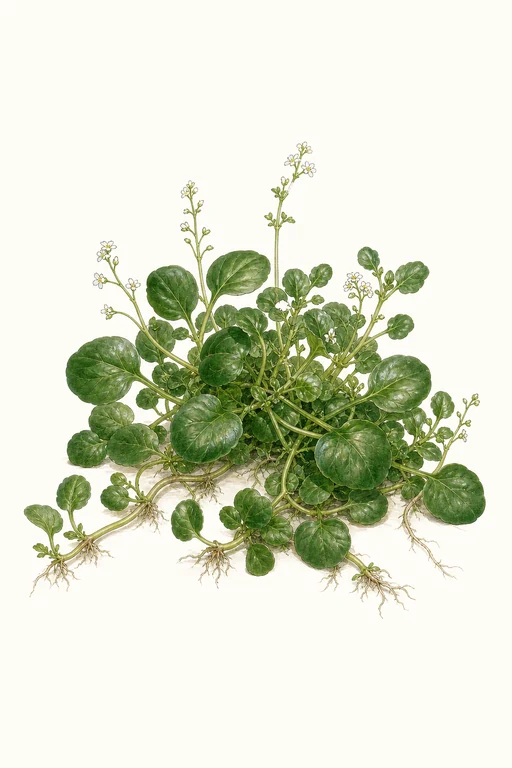
Peppery and vividly green, Dutch Broadleaf watercress delivers a crisp, succulent bite with a clean, lively heat that blooms as the leaves sway in cool water.
Its broad, tender foliage stays pleasantly juicy at harvest, making it wonderfully satisfying for fresh use and quick flavoring—ideal for brightening sauces, finishing soups, and adding snap to pickled accents. Grow it for a fast, rewarding 30-day turn that tastes as fresh as a stream’s edge.
Light: Part SunMaturity: 30 DaysHabit: Rosette
Planting schedules and alerts are optimized for Columbus (Zone 6b).
Crop Dates
| Milestone | Date |
|---|---|
| Start Indoors | Direct Sow |
| Last Frost | Apr 25th |
| Transplant / Sow Outdoors | Apr 25th |
| Harvest Begins | May 25th |
| Harvest Ends | Oct 16th |
Crop Details
| Trait | Value |
|---|---|
| Days to Maturity | 30 |
| Sun Requirements | Part Sun |
| Growth Habit | Rosette |
| Support Needed | None |
| Planting Depth | Surface |
| Germination Temp (°F) | 60 |
| Min Soil Temp (°F) | 40 |
| Min Night Temp (°F) | 28 |
| Harden Off (days) | Not Required |
Culinary Notes

Chef's Note
Dutch Broadleaf watercress gives you that fresh-from-the-stream pepper with a juicy crunch, so it shines where it stays crisp—tossed right at the end or folded into cold/near-cold preparations. Its heat is lively, not musty, making it a high-impact finisher alongside lemony fats and rich proteins like salmon or eggs.

Best Uses
- shock-and-serve in salads with a light vinaigrette
- finish soups and stocks off-heat so the pepper stays sharp
- whisk into quick pan sauces or cold herb sauces
- chop into relishes and quick pickled accents for snap

Flavor Profile

Kitchen Pairings
Frequently Asked Questions
What’s the most common disease/pest problem for watercress (Nasturtium officinale) and how can I control it?
How often should I water watercress during the main growing phase, and what soil moisture should I maintain?
How do I tell when Dutch Broadleaf watercress is ready to harvest?
Sowing Tips

Transplant Conditions
Wait until soil reaches 40°F and nights stay above 28°F before moving outdoors.
Expert Note

Keep watercress consistently moist (and ideally cool) for the crispiest, least-bitter flavor.