
Dwarf Blue Curled Vates
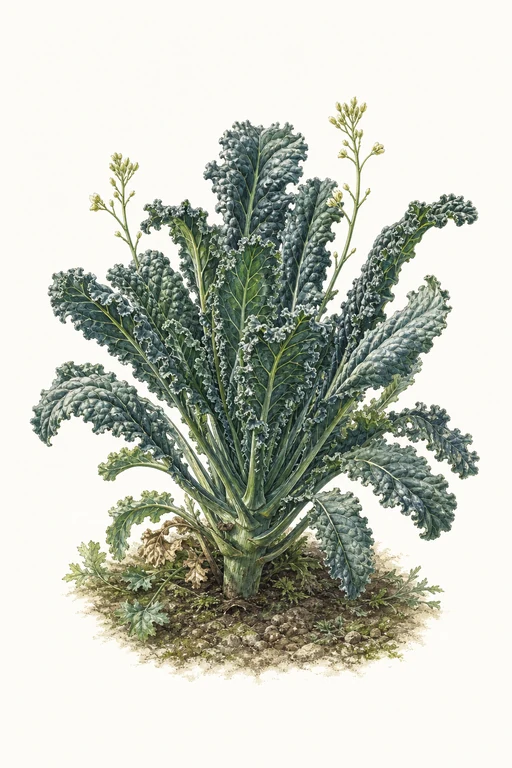
Sink your senses into Dwarf Blue Curled Vates kale’s cool, blue-green leaves—crisp, tightly curled, and richly textured with a satisfying bite.
This compact, dwarf habit forms a dense rosette that stays tidy in the garden, making it ideal for fresh harvests and bold flavor in hearty dishes, from roasting to stir-fries and savory sautés. Grow it for dependable, flavorful greens that shine in sauces and remain wonderfully versatile from early-season tender picking to fuller, more robust leaves.
Light: Full SunMaturity: 55 DaysHabit: Rosette
Planting schedules and alerts are optimized for Columbus (Zone 6b).
Crop Dates
| Milestone | Date |
|---|---|
| Start Indoors | Mar 28th |
| Last Frost | Apr 25th |
| Transplant / Sow Outdoors | Apr 25th |
| Harvest Begins | Jun 19th |
| Harvest Ends | Oct 16th |
Crop Details
| Trait | Value |
|---|---|
| Days to Maturity | 55 |
| Sun Requirements | Full Sun |
| Growth Habit | Rosette |
| Support Needed | None |
| Planting Depth | Normal |
| Germination Temp (°F) | 45 |
| Min Soil Temp (°F) | 40 |
| Min Night Temp (°F) | 30 |
| Harden Off (days) | 6 |
Culinary Notes

Chef's Note
This compact Vates type gives you a strong, brassy chew that’s built for high heat—roasting or quick sauté brings out sweetness while keeping the bite. Finish with acid and salt (lemon, parmesan) to sharpen the cool greens and keep the flavor from tipping too bitter.

Best Uses
- hot-then-tamed sauté with a slick of fat so the leaves turn tender without going watery
- roast until the edges get crisp and the centers stay chewy
- massaged kale salad where you can taste the snap before it mellows
- sturdy green in chowders and silky purées (blends smoothly once braised)

Flavor Profile

Kitchen Pairings
Frequently Asked Questions
What pest or disease most commonly affects Brassica oleracea var. viridis (Dwarf Blue Curled Vates kale), and how do I control it?
How often should I water Dwarf Blue Curled Vates kale during the main growing phase?
How can I tell when Dwarf Blue Curled Vates kale is ready to harvest?
Sowing Tips

Transplant Conditions
Wait until soil reaches 40°F and nights stay above 30°F before moving outdoors. Harden off for 6 days first.
Expert Note

For sweetest flavor, grow under cool conditions and harvest after mild frosts when leaves are less bitter.