
Early Long Pod
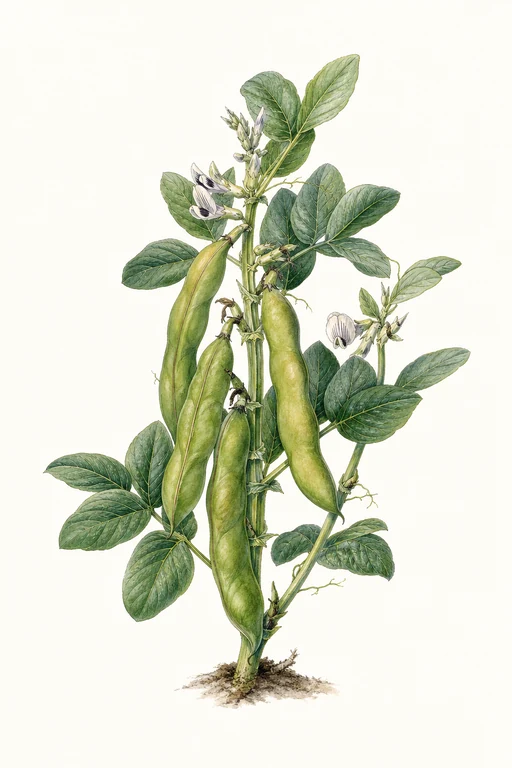
Sweetly fragrant pods arrive in a graceful, early rhythm—long, gently curved, and filled with tender, buttery beans that feel silky at first touch.
Early Long Pod delivers a refined, delicately nutty flavor with a smooth, succulent bite, ideal for showcasing at the peak of freshness. Grow it for reliable early harvests and a garden-to-plate experience that shines in fresh preparations, bright sauces, and quick pickling.
Light: Full SunMaturity: 75 DaysHabit: Upright
Planting schedules and alerts are optimized for Columbus (Zone 6b).
Crop Dates
| Milestone | Date |
|---|---|
| Start Indoors | Direct Sow |
| Last Frost | Apr 25th |
| Transplant / Sow Outdoors | Apr 25th |
| Harvest Begins | Jul 9th |
| Harvest Ends | Oct 16th |
Crop Details
| Trait | Value |
|---|---|
| Days to Maturity | 75 |
| Sun Requirements | Full Sun |
| Growth Habit | Upright |
| Support Needed | None |
| Planting Depth | Normal |
| Germination Temp (°F) | 55 |
| Min Soil Temp (°F) | 40 |
| Min Night Temp (°F) | 28 |
| Harden Off (days) | Not Required |
Culinary Notes

Chef's Note
Early beans like these are all about timing: blanch just until the green snaps back, then serve them glossy with fat and acid so the nutty sweetness stays clean. If you try to overcook, the texture goes grainy fast—this variety earns its keep in quick, fresh, buttery preparations.

Best Uses
- shuck-and-eat pods/beans right away, blanched 1–2 minutes and dressed with olive oil
- quick pan sauté in butter with black pepper and a squeeze of lemon
- fold into a warm potato salad while still loose and glossy
- make a quick purée/sauce with olive oil, herbs, and a splash of stock for spooning

Flavor Profile

Kitchen Pairings
Frequently Asked Questions
What pest or disease most commonly affects Vicia faba (broad beans), and how can I control it?
How often should I water Vicia faba during the main growing phase?
How do I know when Early Long Pod Vicia faba is ready to harvest?
Sowing Tips

Transplant Conditions
Wait until soil reaches 40°F and nights stay above 28°F before moving outdoors.
Expert Note

Direct-sow as soon as the soil is workable; fava beans dislike heat, so early planting is the key to reliability and tender pods.