
Early Purple Vienna
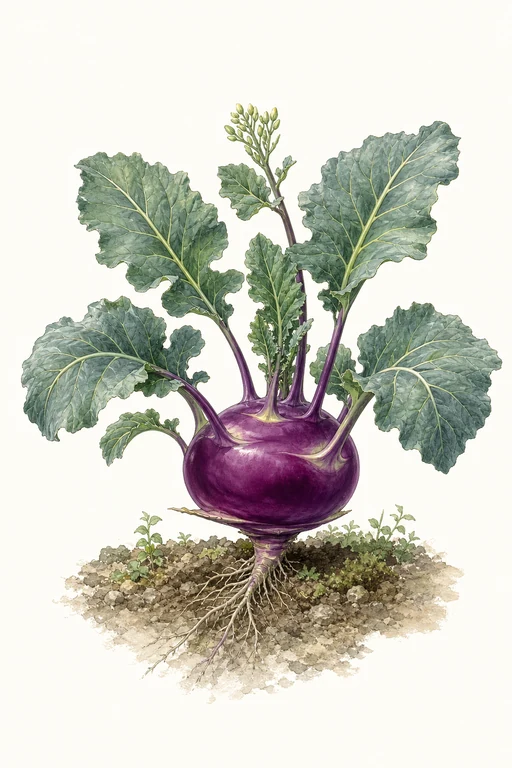
Sink your spoon into the crisp, sweet-tender bite of Early Purple Vienna—its skin blushes in rich violet-purple over a clean, pale interior.
Bulbous and smooth with a lightly firm, juicy texture, it shines as a fresh garden favorite and holds its own for quick roasting, braising, and vibrant pickling brines. Ready in about 55 days, it’s a cool-season standout for gardeners who want early color, early crunch, and dependable, uniform bulbs.
Light: Full SunMaturity: 55 DaysHabit: Upright
Planting schedules and alerts are optimized for Columbus (Zone 6b).
Crop Dates
| Milestone | Date |
|---|---|
| Start Indoors | Mar 28th |
| Last Frost | Apr 25th |
| Transplant / Sow Outdoors | Apr 18th |
| Harvest Begins | Jun 12th |
| Harvest Ends | Oct 16th |
Crop Details
| Trait | Value |
|---|---|
| Days to Maturity | 55 |
| Sun Requirements | Full Sun |
| Growth Habit | Upright |
| Support Needed | None |
| Planting Depth | Normal |
| Germination Temp (°F) | 45 |
| Min Soil Temp (°F) | 45 |
| Min Night Temp (°F) | 32 |
| Harden Off (days) | 6 |
Culinary Notes

Chef's Note
Early Purple Vienna kohlrabi has that rare combo of clean sweetness and a crisp, juicy bite that doesn’t collapse under quick heat. Cut it thin for raw crunch, or cook it just until the surface chars—overdoing turns it soft and bland instead of pleasantly cabbage-sweet.

Best Uses
- shave raw into vinegar-salted slaws and dressed salads (it stays snappy)
- quick-roast or pan-sear into caramelized edges while the center stays juicy
- pickle in bright brines for a purple-kissed, snappy snack
- braise briefly in butter/stock so it turns creamy without going floury

Flavor Profile

Kitchen Pairings
Frequently Asked Questions
What pest or disease commonly affects Brassica oleracea var. gongylodes (Early Purple Vienna kohlrabi), and how do I control it?
How often should I water Early Purple Vienna kohlrabi during the main growth phase?
How can I tell when Early Purple Vienna kohlrabi is ready to harvest?
Sowing Tips

Transplant Conditions
Wait until soil reaches 45°F and nights stay above 32°F before moving outdoors. Harden off for 6 days first.
Expert Note

For early, sweet kohlrabi, keep soil evenly moist and harvest when bulbs are small (about tennis-ball size) to avoid toughness.