
Early Vienna
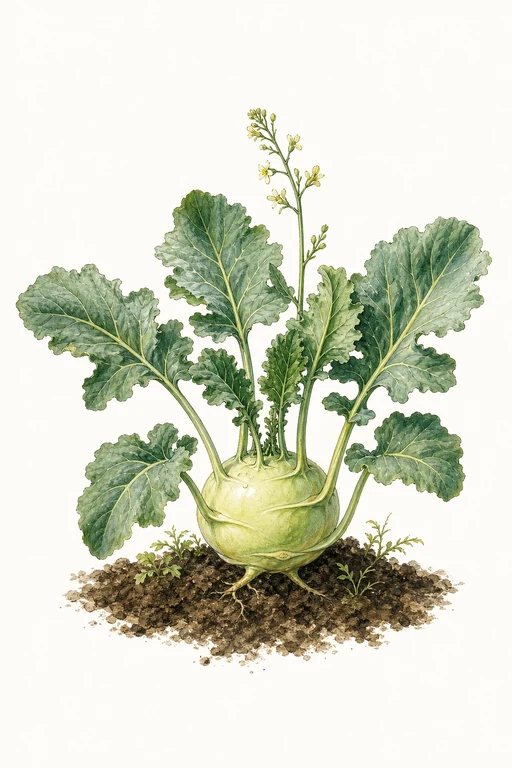
Sweetly crisp and vividly tender, Early Vienna forms a compact, globe-like kohlrabi with a clean, mild flavor and a juicy snap that feels almost luminous in the garden.
The smooth, pale green to creamy skin matures at about 55 days, holding its quality for fresh use and bright, quick preparations—ideal for gardeners who want early harvest satisfaction. Grow it for salads, slaws, and tangy pickles, where its delicate bite and refreshing texture truly shine.
Light: Full SunMaturity: 55 DaysHabit: Rosette
Planting schedules and alerts are optimized for Columbus (Zone 6b).
Crop Dates
| Milestone | Date |
|---|---|
| Start Indoors | Mar 28th |
| Last Frost | Apr 25th |
| Transplant / Sow Outdoors | Apr 18th |
| Harvest Begins | Jun 12th |
| Harvest Ends | Oct 16th |
Crop Details
| Trait | Value |
|---|---|
| Days to Maturity | 55 |
| Sun Requirements | Full Sun |
| Growth Habit | Rosette |
| Support Needed | None |
| Planting Depth | Normal |
| Germination Temp (°F) | 45 |
| Min Soil Temp (°F) | 40 |
| Min Night Temp (°F) | 32 |
| Harden Off (days) | 6 |
Culinary Notes

Chef's Note
Early Vienna’s standout is the juicy snap—cut it thin and it’ll stay crisp under acidic dressings without turning cabbagey. Use it where you want that cool, mildly sweet crunch: lemony slaw, fast pickles, or a quick butter-steam to highlight its clean, tender sweetness.

Best Uses
- thin-sliced raw salad or slaw where it keeps its bite
- quick-pickled batons for tangy snacking
- brief sauté or steam with butter for a clean, sweet finish

Flavor Profile

Kitchen Pairings
Frequently Asked Questions
What pest or disease is most likely on Brassica oleracea var. gongylodes (early kohlrabi), and how can I control it?
How often should I water early kohlrabi during the main bulbing growth phase?
How do I know when Brassica oleracea var. gongylodes is ready to harvest?
Sowing Tips

Transplant Conditions
Wait until soil reaches 40°F and nights stay above 32°F before moving outdoors. Harden off for 6 days first.
Expert Note

Keep kohlrabi evenly moist and harvest promptly when bulbs are fist-sized for best tenderness.