
Edonis
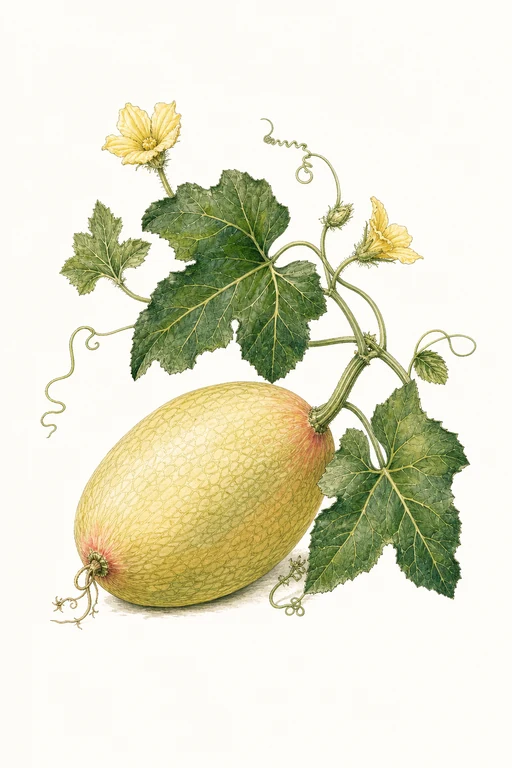
Fragrant, honeyed perfume rises at first touch—Edonis Charentais Melon delivers a lush, creamy-smooth bite with a tender, melt-in-the-mouth texture and a richly aromatic sweetness.
The rind’s classic Charentais charm frames a warm, salmon-rose interior that feels velvety and indulgent, making it a standout for fresh servings and showy fruit platters. Grow Edonis for a garden-to-table treasure that’s as beautiful as it is flavorful, with the dependable, full-bodied character home gardeners love.
Light: Full SunMaturity: 80 DaysHabit: Vine
Planting schedules and alerts are optimized for Columbus (Zone 6b).
Crop Dates
| Milestone | Date |
|---|---|
| Start Indoors | Apr 18th |
| Last Frost | Apr 25th |
| Transplant / Sow Outdoors | May 2nd |
| Harvest Begins | Jul 21st |
| Harvest Ends | Oct 16th |
Crop Details
| Trait | Value |
|---|---|
| Days to Maturity | 80 |
| Sun Requirements | Full Sun |
| Growth Habit | Vine |
| Support Needed | Trellis |
| Planting Depth | Normal |
| Germination Temp (°F) | 75 |
| Min Soil Temp (°F) | 65 |
| Min Night Temp (°F) | 55 |
| Harden Off (days) | 12 |
Culinary Notes

Chef's Note
Edonis Charentais is built for eating cold and raw: the flesh goes silky quickly and carries a fragrant honey-rose aroma that you don’t want drowned out. Slice it thick, salt lightly, and let the velvety texture do the work—this is a fruit that should arrive first on the plate, not buried in complexity.

Best Uses
- fresh-cut fruit platters where its fragrance can lead
- chilled spooning—serve very cold to heighten the floral honey notes
- slices with flaky salt to make the sweetness snap
- a simple melon-and-prosciutto course (no heavy dressing)

Flavor Profile

Frequently Asked Questions
What pest or disease issue is most likely on Cucumis melo (Charentais-type melon) and how do I stop it?
How often should I water Cucumis melo during the main growing phase (once vines are established)?
How can I tell when Cucumis melo (Charentais) is ready to harvest around 80 days?
Sowing Tips

Transplant Conditions
Wait until soil reaches 65°F and nights stay above 55°F before moving outdoors. Harden off for 12 days first.

Direct Sow Preferred
Sensitive roots — does not transplant well. If starting indoors, use biodegradable pots and disturb roots as little as possible when moving outdoors.
Expert Note

For best flavor, transplant only after nights are reliably warm and keep soil consistently moist (mulch helps) while avoiding wet foliage to maintain the powdery-mildew resistance advantage.