
Eldorado
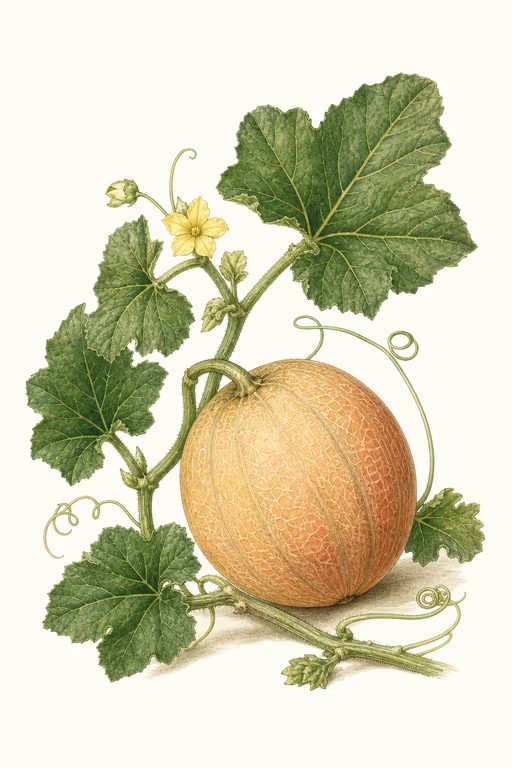
Sink your senses into Eldorado’s fragrant, honeyed perfume and the promise of a richly perfumed Charentais melon with a tender, melt-in-the-mouth bite.
Its flesh is notably luscious and aromatic, with a smooth, succulent texture that shines whether you savor it at peak ripeness or let its sweetness carry through preserves and chilled spoonfuls. A garden favorite for those who crave a true, old-world melon experience—vines that reward patience with unmistakable, sun-warmed flavor.
Light: Full SunMaturity: 85 DaysHabit: Vine
Planting schedules and alerts are optimized for Columbus (Zone 6b).
Crop Dates
| Milestone | Date |
|---|---|
| Start Indoors | May 9th |
| Last Frost | Apr 25th |
| Transplant / Sow Outdoors | May 23rd |
| Harvest Begins | Aug 16th |
| Harvest Ends | Oct 16th |
Crop Details
| Trait | Value |
|---|---|
| Days to Maturity | 85 |
| Sun Requirements | Full Sun |
| Growth Habit | Vine |
| Support Needed | Trellis |
| Planting Depth | Normal |
| Germination Temp (°F) | 75 |
| Min Soil Temp (°F) | 65 |
| Min Night Temp (°F) | 55 |
| Harden Off (days) | 12 |
Culinary Notes

Chef's Note
Eldorado leans into that Charentais thing—wildly aromatic, with a tender melt rather than crunch—so you want it cold and handled lightly so the perfume doesn’t steam off. When you add salt, citrus, or fat, it doesn’t just taste sweet; it smells sweet, the way a proper melon should.

Best Uses
- peak-ripeness spooning with a squeeze of lime (or a pinch of flaky salt) to sharpen the aroma
- chilled melon spoonfuls as a palate cleanser between richer bites
- small-batch preserves where the perfume stays intact
- lightly sweetened sorbet or granita for a clean, melt-cold finish

Flavor Profile

Frequently Asked Questions
What’s a common pest or disease for Cucumis melo (Eldorado) and how do I fix it fast?
How often should I water Eldorado melons during the main growing phase?
How can I tell when Eldorado (Cucumis melo) is ready to harvest?
Sowing Tips

Transplant Conditions
Wait until soil reaches 65°F and nights stay above 55°F before moving outdoors. Harden off for 12 days first.

Direct Sow Preferred
Sensitive roots — does not transplant well. If starting indoors, use biodegradable pots and disturb roots as little as possible when moving outdoors.
Expert Note

Start melons early indoors in biodegradable pots and transplant only once soil is truly warm to prevent stunting from cold roots.