
Electric Tulsi
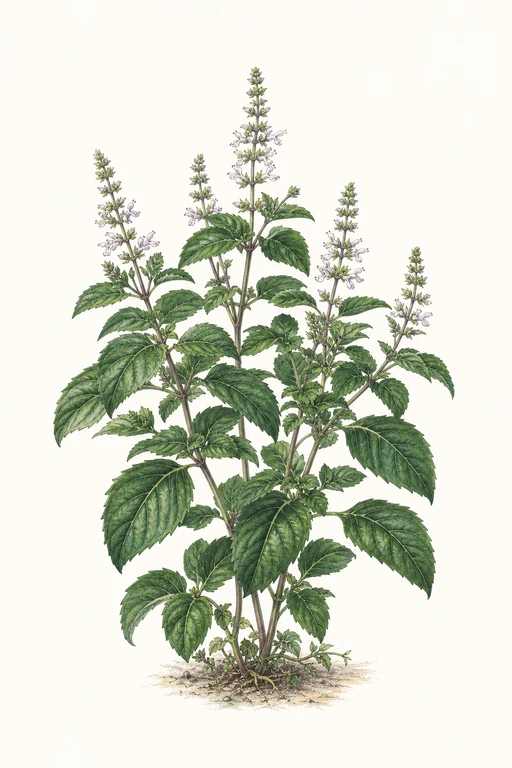
Electric Tulsi delivers a vivid, aromatic rush at first touch—cool, minty-herbal fragrance with a bright, slightly peppery lift that feels almost electric.
The leaves are richly textured and glossy, forming an upright, branching plant that’s lush enough for repeated harvests, with tender foliage that shines fresh and fragrant. Grow Electric Tulsi for its signature holy-basil character in herbal infusions and fragrant blends, and enjoy the way its bold aroma elevates every cup and sachet it graces.
Light: Full SunMaturity: 60 DaysHabit: Upright
Planting schedules and alerts are optimized for Columbus (Zone 6b).
Crop Dates
| Milestone | Date |
|---|---|
| Start Indoors | Mar 21st |
| Last Frost | Apr 25th |
| Transplant / Sow Outdoors | Jun 13th |
| Harvest Begins | Aug 12th |
| Harvest Ends | Oct 16th |
Crop Details
| Trait | Value |
|---|---|
| Days to Maturity | 60 |
| Sun Requirements | Full Sun |
| Growth Habit | Upright |
| Support Needed | None |
| Planting Depth | Normal |
| Germination Temp (°F) | 70 |
| Min Soil Temp (°F) | 60 |
| Min Night Temp (°F) | 50 |
| Harden Off (days) | 10 |
Culinary Notes

Chef's Note
Electric Tulsi’s holy-basil punch is all about that first aromatic wave—cool mint meets a peppery, almost resin-bright snap. Use it as a fresh-steep herb (or muddled) so you keep the lift; overcooking turns it flat and muted.

Best Uses
- hot or iced herbal infusions where the aroma stands up
- fresh-leaf muddling into syrup or soda for a clean, prickly lift
- steeping into fragrant sachets with citrus peel and gentle spices
- finishing spoonfuls on fruit salads and yogurt for a cool-pepper hit

Flavor Profile

Kitchen Pairings
Frequently Asked Questions
Electric Tulsi (Ocimum tenuiflorum) — what pest or disease is most common, and what should I do?
How often should I water Electric Tulsi during its main growing phase?
How do I know when Electric Tulsi (Ocimum tenuiflorum) is ready to harvest?
Sowing Tips

Transplant Conditions
Wait until soil reaches 60°F and nights stay above 50°F before moving outdoors. Harden off for 10 days first.
Expert Note

Grow Electric Tulsi in warm soil and keep it well-watered early; start harvesting leaves once plants are bushy to encourage branching and deeper purple-red color.