
Emerald Velvet
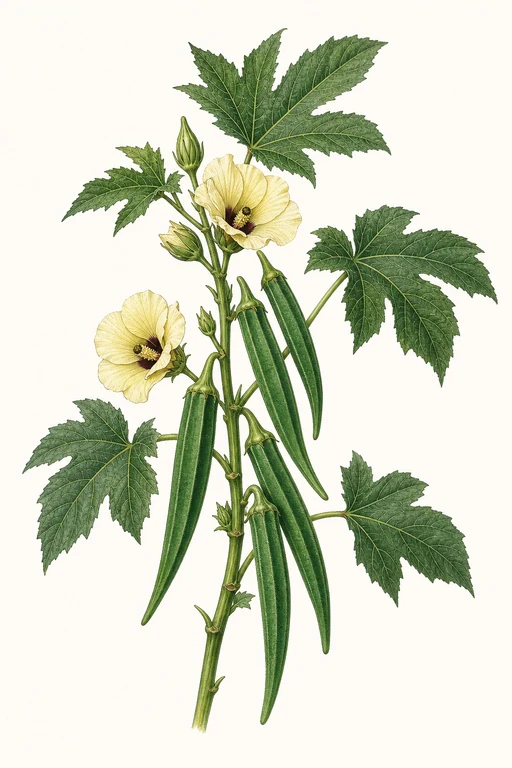
Velvety emerald pods arrive with a lush, jewel-green sheen and a tender, succulent bite that feels almost plush in the garden hand.
“Emerald Velvet” produces slender, well-filled pods that stay bright and crisp as they mature, making them a standout for fresh, quick sautés and spoonable sauces alike. Grow it for repeat harvests—its smooth, lightly ridged pods invite you to keep coming back to the patch for peak flavor and best texture.
Light: Full SunMaturity: 55 DaysHabit: Upright
Planting schedules and alerts are optimized for Columbus (Zone 6b).
Crop Dates
| Milestone | Date |
|---|---|
| Start Indoors | Direct Sow |
| Last Frost | Apr 25th |
| Transplant / Sow Outdoors | Apr 25th |
| Harvest Begins | Jun 19th |
| Harvest Ends | Oct 16th |
Crop Details
| Trait | Value |
|---|---|
| Days to Maturity | 55 |
| Sun Requirements | Full Sun |
| Growth Habit | Upright |
| Support Needed | None |
| Planting Depth | Normal |
| Germination Temp (°F) | 80 |
| Min Soil Temp (°F) | 65 |
| Min Night Temp (°F) | 55 |
| Harden Off (days) | 10 |
Culinary Notes

Chef's Note
Emerald Velvet’s slender pods deliver that signature okra slip—thickening your pan juices into something glossy without going rubbery. It’s the kind of variety you choose when you want slick, spoonable sauce results from a fast sear, plus enough snap to eat the pods themselves.

Best Uses
- hot-pan quick sauté with garlic and a splash of vinegar
- spoonable, velvety okra-thickened stew or braise
- grilled/charred pods for smoky edges and a still-tender center
- quick pickles that keep their crisp bite

Flavor Profile

Kitchen Pairings
Frequently Asked Questions
What pest or disease commonly affects Abelmoschus esculentus (okra), and how do I treat it?
How often should I water okra (Abelmoschus esculentus) during peak growth?
How do I know when Abelmoschus esculentus is ready to harvest?
Sowing Tips

Transplant Conditions
Wait until soil reaches 65°F and nights stay above 55°F before moving outdoors. Harden off for 10 days first.

Direct Sow Preferred
Sensitive roots — does not transplant well. If starting indoors, use biodegradable pots and disturb roots as little as possible when moving outdoors.
Expert Note

For best pod quality and yield, harvest okra frequently (every 1–2 days once pods start swelling) while pods are still tender.