
Escarole
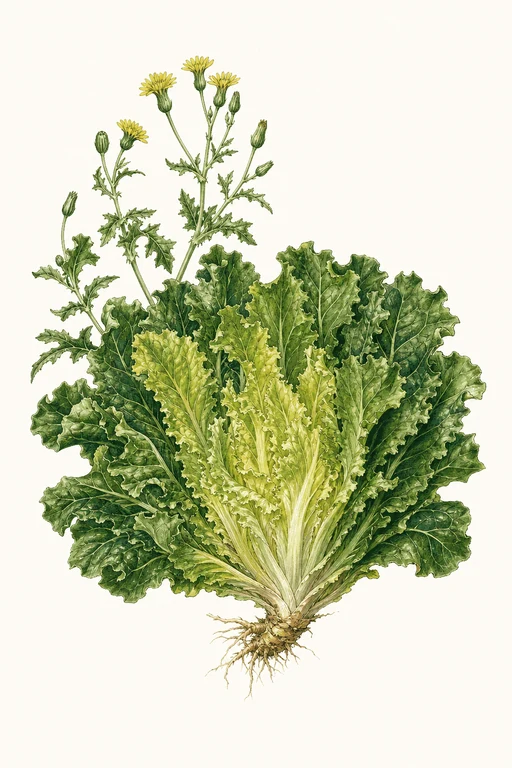
Silky, broad leaves unfurl into a cool-toned rosette with a tender, gently bitter edge—deeply satisfying in flavor and remarkably forgiving in texture.
Escarole forms a generous, upright head of crisp, spoonable greens that hold their shape beautifully for bold, comforting dishes, from roasting and braising to hearty soups and savory sauces. Grow it for a steady harvest rhythm and a lush, garden-fresh presence at maturity.
Light: Full SunMaturity: 70 DaysHabit: Rosette
Planting schedules and alerts are optimized for Columbus (Zone 6b).
Crop Dates
| Milestone | Date |
|---|---|
| Start Indoors | Mar 21st |
| Last Frost | Apr 25th |
| Transplant / Sow Outdoors | Apr 18th |
| Harvest Begins | Jun 27th |
| Harvest Ends | Oct 16th |
Crop Details
| Trait | Value |
|---|---|
| Days to Maturity | 70 |
| Sun Requirements | Full Sun |
| Growth Habit | Rosette |
| Support Needed | None |
| Planting Depth | Normal |
| Germination Temp (°F) | 70 |
| Min Soil Temp (°F) | 40 |
| Min Night Temp (°F) | 30 |
| Harden Off (days) | 6 |
Culinary Notes

Chef's Note
Escarole’s broad, spoonable leaves tame bitterness when they hit fat and heat, staying structured instead of collapsing. It’s built for braises and soups where you want greens that chew, not greens that disappear.

Best Uses
- braise or sauté and let it mellow into a silky, spoon-thick side
- toss into warm bean soups where it stays upright and not stringy
- roast until edges bronze for a deeper, toast-kissed bitterness
- chop for hearty greens sautés under cheese-forward finishes

Flavor Profile

Kitchen Pairings
Frequently Asked Questions
What pests or diseases commonly affect Cichorium endivia (escarole), and how do I manage them?
How often should I water escarole during the main growing phase to keep it from getting bitter or stressed?
How can I tell when escarole (Cichorium endivia) is ready to harvest?
Sowing Tips

Transplant Conditions
Wait until soil reaches 40°F and nights stay above 30°F before moving outdoors. Harden off for 6 days first.
Expert Note

For best flavor and tenderness, grow escarole in cool weather and blanch the inner leaves by tying them up 1–2 weeks before harvest.