
Everglades
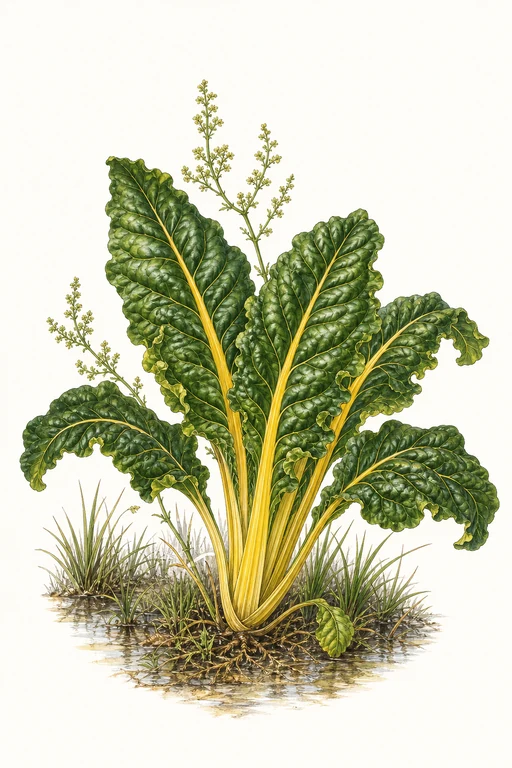
Everglades Swiss Chard unfurls with a lush, garden-bright presence—tender leaves that feel silken and succulent, wrapped around sturdy, richly colored stems.
The flavor is pleasantly mild and sweet, with a gentle earthiness that stays balanced from first harvest through steady cuttings. Grow it for bold, colorful bunches that shine in fresh salads and shine just as beautifully when roasted, sautéed, or folded into hearty sauces.
Light: Part SunMaturity: 55 DaysHabit: Rosette
Planting schedules and alerts are optimized for Columbus (Zone 6b).
Crop Dates
| Milestone | Date |
|---|---|
| Start Indoors | Direct Sow |
| Last Frost | Apr 25th |
| Transplant / Sow Outdoors | Apr 18th |
| Harvest Begins | Jun 12th |
| Harvest Ends | Oct 16th |
Crop Details
| Trait | Value |
|---|---|
| Days to Maturity | 55 |
| Sun Requirements | Part Sun |
| Growth Habit | Rosette |
| Support Needed | None |
| Planting Depth | Normal |
| Germination Temp (°F) | 70 |
| Min Soil Temp (°F) | 45 |
| Min Night Temp (°F) | 35 |
| Harden Off (days) | 7 |
Culinary Notes

Chef's Note
Everglades chard brings a sweet, mild green flavor with a silken leaf and stem that holds up—great when you want greens to stay composed, not collapse. Use it where you need tender cooking control: sauté, roast, or blend into a glossy sauce that clings without tasting harsh.

Best Uses
- quick sauté where stems and leaves finish at the same time
- roasting until edges go nutty while stems stay pleasantly snappy
- folding into silky purées or thickened sauces for pasta
- fresh bunching for salads that can handle a heavier vinaigrette

Flavor Profile

Kitchen Pairings
Frequently Asked Questions
What pest or disease problem is most common on Swiss chard (Beta vulgaris var. cicla), and how do I treat it?
How often should I water Swiss chard during the main growing phase?
How can I tell when Everglades Swiss chard is ready to harvest?
Sowing Tips

Transplant Conditions
Wait until soil reaches 45°F and nights stay above 35°F before moving outdoors. Harden off for 7 days first.
Expert Note

For Everglades-style Swiss chard, start early enough to establish plants before the hottest stretch, then keep soil consistently moist for best flavor through summer heat.