
Evergreen Hardy White
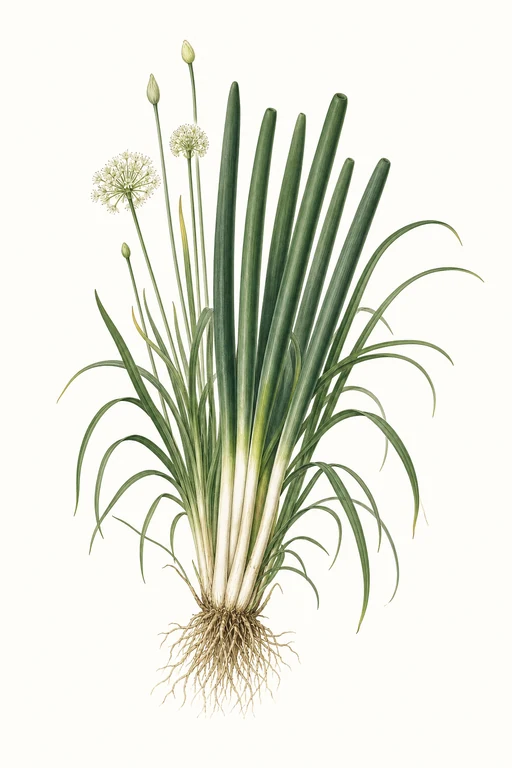
Sweet, crisp green stalks rise with a cool, evergreen presence—Evergreen Hardy White scallions deliver a clean, bright bite and a tender, juicy texture from the first pull.
The white base stays pleasantly mild while the tops deepen to a vivid, fresh green, making this variety especially satisfying for quick flavor boosts in salads, garnishes, and stir-fries. Grow it for reliable, 60-day harvests and a steady supply of slender, uniform stems that keep their appeal from garden to plate.
Light: Full SunMaturity: 60 DaysHabit: Clumping
Planting schedules and alerts are optimized for Columbus (Zone 6b).
Crop Dates
| Milestone | Date |
|---|---|
| Start Indoors | Direct Sow |
| Last Frost | Apr 25th |
| Transplant / Sow Outdoors | Apr 18th |
| Harvest Begins | Jun 17th |
| Harvest Ends | Oct 16th |
Crop Details
| Trait | Value |
|---|---|
| Days to Maturity | 60 |
| Sun Requirements | Full Sun |
| Growth Habit | Clumping |
| Support Needed | None |
| Planting Depth | Normal |
| Germination Temp (°F) | 60 |
| Min Soil Temp (°F) | 40 |
| Min Night Temp (°F) | 28 |
| Harden Off (days) | Not Required |
Culinary Notes

Chef's Note
These are built for that sweet-to-green transition: the white stays gentle, the tops bring a fresh, assertive bite. Use them late or as a raw garnish so they don’t go soft—this variety keeps its juicy crunch right up to the first forkful.

Best Uses
- thin raw ribbons in salads and slaws where they stay snappy
- quick sauté or stir-fry aromatics—add late to keep bite
- garnish for soups, noodles, and rice bowls to brighten hot food without wilting

Flavor Profile

Frequently Asked Questions
What pest or disease most commonly affects Allium fistulosum (evergreen bunching/green onions), and how can I control it?
How often should I water Allium fistulosum during its main growing phase?
How do I tell when Allium fistulosum is ready to harvest?
Sowing Tips

Transplant Conditions
Wait until soil reaches 40°F and nights stay above 28°F before moving outdoors.
Expert Note

Start early and transplant into consistently moist, well-drained soil once nights are reliably above freezing to establish strong clumps before heat or winter stress.